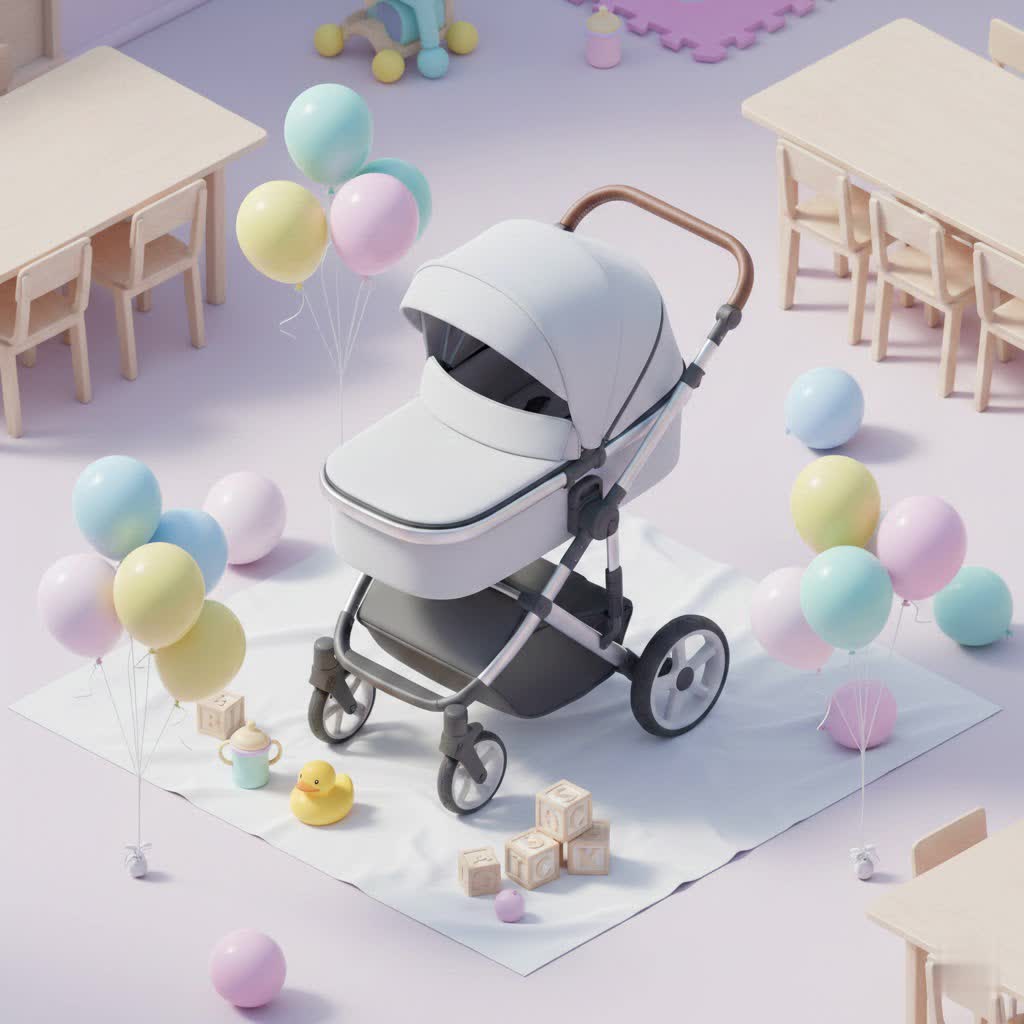
Navigating the world of baby gear can feel overwhelming, especially when it comes to selecting a Baby Stroller. This essential piece of equipment evolves from a simple means of transport into a sophisticated system designed for safety, comfort, and convenience. With countless options available, finding the one that perfectly aligns with your lifestyle and your little one’s needs requires careful consideration. This guide will help you understand the different types, crucial features, and essential tips to make an informed decision, transforming what might seem like a daunting task into an exciting part of your parenting journey.
Overview of Baby Strollers
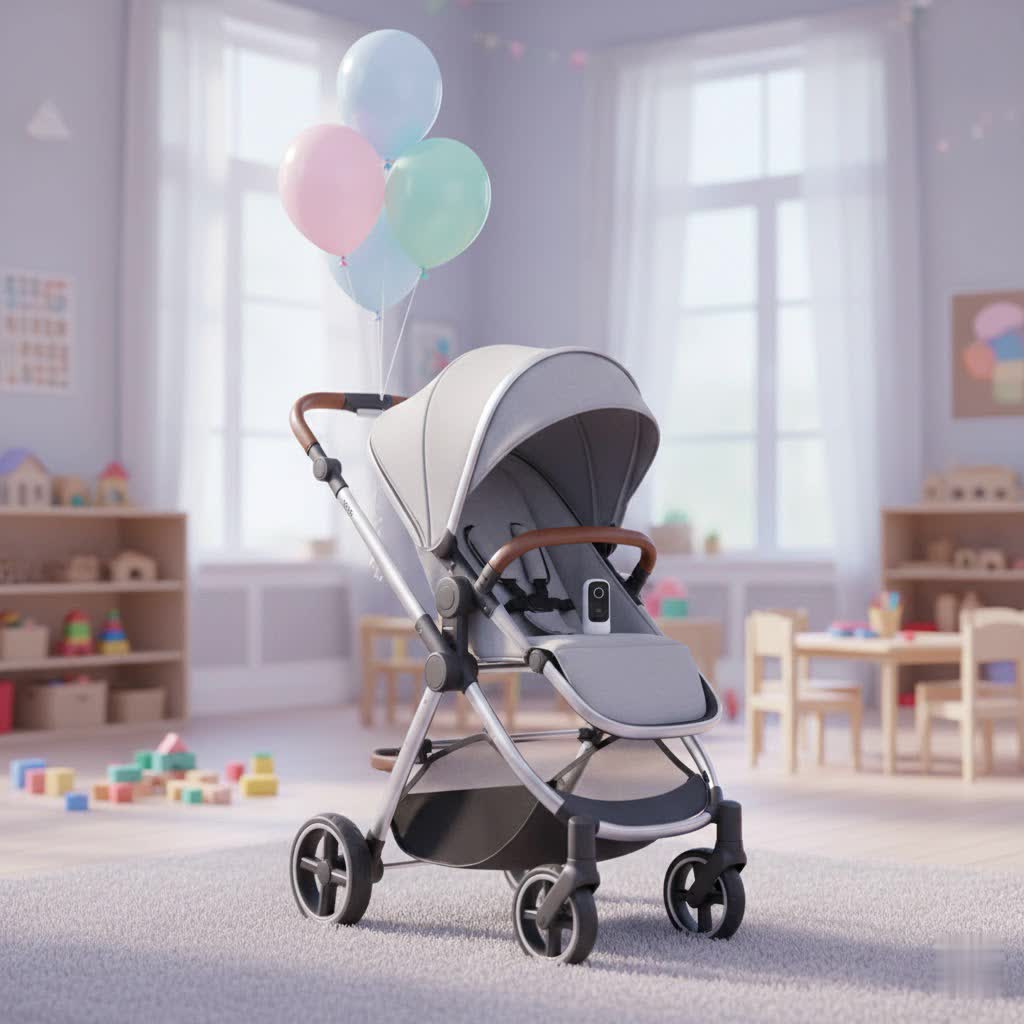
A baby stroller is far more than just wheels and a seat; it’s a mobile sanctuary for your child and a reliable assistant for you. It enables you to explore the world together, from serene park strolls to bustling city adventures, ensuring your baby is safe and snug. Over the years, the market has seen remarkable innovations, moving from basic models to high-tech, versatile systems.
Today’s market offers a diverse range of baby strollers, each designed with specific purposes and lifestyles in mind. Full-size strollers are robust and feature-rich, ideal for daily use. Lightweight or umbrella strollers offer portability, perfect for quick errands or travel. Jogging strollers cater to active parents, providing superior suspension for smooth rides on various terrains. Double or convertible strollers are built for growing families, accommodating multiple children. Travel systems cleverly combine a car seat and stroller for seamless transitions, while stroller wagons are gaining popularity for their capacity to carry multiple children and gear. Understanding these categories is the first step toward narrowing down your choices.
Important Criteria When Choosing a Baby Stroller
When you embark on the journey to find the ideal baby stroller, several critical factors should guide your decision-making process. These criteria ensure that your chosen stroller not only meets your practical needs but also prioritizes your child’s well-being and your peace of mind.
Safety
|
Our Picks for the Best Baby Stroller in 2026
We may earn a commission when you use one of our links to make a purchase.
|
||
| Num | Product | Action |
|---|---|---|
| 1 | Lightweight High-View Baby Stroller, One-Hand Fold & Compact Storage, Convertible Seat, 5-Point Safety Harness, Foldable Infant Stroller, Grey |

|
| 2 | 2-in-1 Baby Stroller - Folding Infant Newborn Pram Stroller with Reversible Seat - Toddler Strollers for 0-36 Months Old Babies |
|
| 3 | Infant Newborn Baby Stroller - 2 in 1 Convertible Stroller with Reversible Seat - Foldable Aluminum Alloy Pram Anti-Shock Toddler Pushchair Strollers for 0-36 Months Babies (Green) |
|
| 4 | Baby Stroller, 2 in 1 Newborn Stroller Convertible Bassinet for Infant Toddler Pram with Footmuff (Black) |
|
| 5 | Lightweight High-View Baby Stroller, One-Hand Fold & Compact Storage, Convertible Seat, 5-Point Safety Harness, Foldable Infant Stroller, Black |
|
| 6 | 2-in-1 Baby Stroller - Folding Infant Newborn Pram Stroller with Reversible Seat - Toddler Strollers for 0-36 Months Old Babies (Pink) |
|
| 7 | 2-in-1 Baby Stroller - Folding Infant Newborn Pram Stroller with Reversible Seat - Toddler Strollers for 0-36 Months Old Babies (Grey) |
|
| 8 | Compact Fold Lightweight Baby Stroller, Convertible Seat Toddler Stroller,Grey |
|
| 9 | 2 in 1 Baby Stroller, Convertible Bassinet Pushchair for Infants and Newborns 0-36 Months |
|
| 10 | 2-in-1 Baby Stroller - Folding Infant Newborn Pram Stroller with Reversible Seat - Toddler Strollers for 0-36 Months Old Babies (Beige) |
|
Safety is paramount when selecting a baby stroller. Always look for a model that complies with recognized safety standards, such as the ASTM F833-21 in the United States, which addresses aspects like stability, brakes, and restraint systems. A robust 5-point harness system, encompassing shoulder straps, waist belts, and a crotch strap, is non-negotiable for securing your child properly. The stroller’s brakes should be easy to engage and disengage, preferably with red levers for parking brakes, locking securely on both rear wheels. Test the stroller’s stability by pressing lightly on the handles; it should resist tipping backward, indicating a wide wheelbase and a low center of gravity. Furthermore, examine the stroller for any potential pinch points or small openings that could trap tiny fingers or pose a choking hazard. For newborns, the stroller must offer a lie-flat recline or be compatible with an infant car seat or bassinet, as they lack the head and neck strength to sit upright unsupported. Some strollers, especially jogging models, include a wrist tether strap for added security. Ensure all folding mechanisms lock securely to prevent accidental collapses.
Comfort
A comfortable ride makes a significant difference for both you and your baby. Look for strollers with generous padding in the seat and good quality, breathable fabrics to prevent overheating. An adjustable recline is essential, particularly if you plan to use the stroller for a newborn, allowing them to lie completely flat. For the parent, adjustable handlebars are crucial for maintaining proper posture and preventing back strain, accommodating different heights. A good suspension system is vital, especially if you anticipate traversing uneven sidewalks or rougher paths, as it absorbs shocks and provides a smoother, more enjoyable journey for your little one.
Convenience
The convenience features of a baby stroller can vastly simplify your daily outings. Consider its foldability; many modern strollers offer a one-handed fold, and some are even self-standing when folded, which is a blessing when juggling a baby and other items. The stroller’s weight and size are critical for portability, fitting through doorways, and storage in your home or car trunk. Ample storage capacity, such as a large under-seat basket and additional pockets, is invaluable for carrying diapers, snacks, toys, and personal belongings. Car seat compatibility, often found in travel systems, allows for seamless transitions from car to stroller without disturbing a sleeping baby. Look for practical accessories like cup holders, snack trays, rain covers, and sun canopies for added utility. Maneuverability is also key; swiveling front wheels offer easy navigation in tight spaces, while the option to lock them provides stability on rougher terrains or at higher speeds.
Durability and Quality
Investing in a durable and high-quality baby stroller ensures it will withstand years of use and potentially multiple children. The frame material should be sturdy and well-constructed, offering stability without excessive weight. Evaluate the wheels; options include air-filled tires for superior shock absorption (though prone to punctures) or puncture-proof foam or rubber wheels. Larger wheels generally perform better on curbs and uneven surfaces. Check if the fabrics are washable and easy to clean, and if replacement parts are available, which extends the stroller’s lifespan. Some premium brands rigorously test their products beyond industry standards, guaranteeing exceptional resilience and a longer warranty period, providing greater peace of mind.
Comparing Popular Baby Stroller Types
The stroller market is rich with variety, offering specialized designs for every family’s unique needs. Understanding the distinctions between these types is key to making the best choice.
Detailed Comparison Table
To simplify your decision, here’s a detailed comparison of common baby stroller types:
| Stroller Type | Ideal Use Case | Key Features | Pros | Cons |
|---|---|---|---|---|
| Full-Size Stroller | Everyday use, long walks, city/suburban | Reversible seat, large canopy, ample storage, robust frame, often newborn-ready | Durable, comfortable, versatile, many features | Heavier, bulkier, less portable |
| Lightweight/Umbrella Stroller | Quick errands, travel, secondary stroller | Compact fold, lightweight frame, basic features, often smaller storage | Highly portable, easy to maneuver in crowded spaces, takes up less storage | Less comfortable for long periods, limited features, less durable for daily heavy use |
| Jogging Stroller | Running, hiking, rough terrain | Three large, air-filled wheels, superior suspension, hand brake, tether strap | Excellent shock absorption, smooth ride on uneven ground, built for speed and stability | Bulky, heavier, not always newborn-ready without adapters, harder to maneuver indoors |
| Double Stroller | Two children (close in age or twins) | Tandem (front-to-back) or Side-by-side configurations, convertible options | Accommodates multiple children, often good storage | Very large, heavy, can be difficult to maneuver in tight spaces, expensive |
| Travel System | Newborns, car-to-stroller transfers | Infant car seat clicks directly into stroller frame or seat | Seamless transitions from car to stroller, cost-effective, newborn-ready | Car seat has a limited lifespan, stroller may be bulkier than dedicated lightweight options |
| Stroller Wagon | Multiple children, gear, events | Large capacity, pull or push functionality, bench seating | High weight capacity, versatile for kids and cargo, fun for older toddlers | Very large, can be cumbersome, not typically suitable for newborns, often heavy |
Buying Guide: How to Choose the Right Baby Stroller
Selecting the right baby stroller is a personal decision that hinges on your family’s unique circumstances. By thoughtfully considering your needs, budget, and where you plan to make your purchase, you can find a stroller that truly enhances your parenting experience.
Determine Usage Needs
Your lifestyle is the most significant factor in determining which stroller type is best for you. Are you a city dweller who frequently relies on public transport and navigates crowded streets, making a compact, lightweight model ideal? Or do you live in the suburbs, where longer walks in parks and occasional off-road excursions might call for a more robust, all-terrain stroller? Active parents who enjoy jogging or hiking will benefit most from a specialized jogging stroller with superior suspension and stability. Consider your family size and future plans; if you anticipate having another child soon, a single stroller that converts to a double could be a wise investment. The age of your child also plays a crucial role: newborns require lie-flat options or car seat compatibility, while older toddlers need adequate legroom and a sturdy seat. Think about how often you will use the stroller, for what activities, and in what environments to pinpoint the features that truly matter.
Budget
Baby strollers vary dramatically in price, from under $100 to well over $1,000, and establishing a realistic budget upfront is essential. Generally, higher-priced strollers often come with enhanced features like advanced suspension systems, more premium fabrics, modular seating, and easier maneuverability. However, it’s entirely possible to find a high-quality, safe, and functional stroller without breaking the bank. Factor in not just the initial cost but also potential accessories like car seat adapters, snack trays, or weather covers. Consider the long-term value; a durable stroller with a good warranty might cost more initially but save you money on replacements or repairs down the line. It’s about finding the best fit for your family’s needs within your financial comfort zone.
Where to Buy
The choice between buying online or in a physical store comes with different advantages. Online retailers offer a vast selection and often competitive pricing, but you miss the opportunity to physically interact with the stroller. In contrast, shopping at a brick-and-mortar store allows you to “test drive” the stroller—push it around, practice folding it, check its weight, and assess its maneuverability. This hands-on experience can be invaluable for evaluating comfort and convenience. Regardless of where you purchase, always choose reputable retailers known for excellent customer service, reliable warranties, and clear return policies. Reading reviews from other parents can also provide real-world insights into the stroller’s performance and durability.
Reputable Baby Stroller Brands
The market is home to numerous esteemed baby stroller brands, each with a reputation for quality, innovation, and design. UPPAbaby is renowned for its versatile and stylish strollers that often grow with the family. Nuna offers sleek designs with a focus on ease of use and premium materials. Bugaboo is synonymous with luxury, durability, and modular systems that cater to various needs. For active parents, Thule and BOB provide robust jogging and all-terrain strollers known for their performance and safety. Cybex stands out for its blend of safety, innovative design, and sophisticated aesthetics. More accessible yet highly functional options come from brands like Graco, Momcozy, and Mockingbird, offering great value and adaptability. Exploring these brands can give you a starting point for finding a well-regarded and reliable stroller.
Tips for Using and Maintaining a Baby Stroller
Proper usage and regular maintenance are crucial for ensuring your baby stroller remains safe, functional, and extends its lifespan. Following these tips will help you and your little one enjoy countless comfortable journeys.
How to Use Your Stroller Safely and Effectively
Always prioritize your child’s safety when using a stroller. Ensure your child is always secured with the 5-point harness system whenever they are in the stroller. Engage the brakes whenever you park the stroller, even for a moment, to prevent it from rolling away. Never hang heavy bags on the handlebars, as this can compromise the stroller’s stability and cause it to tip over. Always adhere to the manufacturer’s recommended weight limits for both the child and any storage baskets. It is imperative to never leave your child unattended in a stroller, even for a brief period. When adjusting the stroller, such as folding or reclining, make sure your child’s fingers and limbs are clear of any moving parts to prevent injuries. Regularly check for any loose parts, tears in fabric, or signs of wear and tear before each use.
How to Clean and Maintain Your Stroller for Longevity
Regular cleaning and maintenance can significantly extend your stroller’s life and keep it hygienic for your baby. For daily upkeep, use a handheld vacuum to remove crumbs and debris from the seat and crevices. For deeper cleaning, most fabric components can be detached and washed according to the manufacturer’s instructions; always check the care label, as some fabrics are machine-washable while others require spot cleaning. The stroller frame can be wiped down with a soft cloth dipped in warm, soapy water, avoiding harsh chemicals that might damage materials.
Wheels, as the primary point of contact with various terrains, require special attention. Clean them regularly, ideally monthly, to remove accumulated dirt, hair, and debris that can impede movement. A stiff brush or old toothbrush can be helpful for hard-to-reach areas. Lubricate the rotating parts of the wheels and any hinges or joints with a child-safe silicone spray to ensure smooth movement and prevent squeaks. If your stroller has air-filled tires, regularly check and maintain proper tire pressure. Always ensure the wheels are securely fastened before each outing.
When not in use, store your stroller indoors, away from direct sunlight and extreme temperatures, to prevent fading, mold, or rust. Avoid storing it in damp or very cold environments like cellars, as this can encourage mold growth and material degradation. Periodically, perhaps every six months, inspect all screws and fasteners, tightening any that may have become loose through use. By incorporating these simple cleaning and maintenance routines, your baby stroller will remain a reliable and comfortable companion for years to come.
Conclusion
Choosing the ideal baby stroller is a significant decision for any parent, marking the beginning of countless shared adventures with your little one. By prioritizing safety, comfort, convenience, and durability, and by understanding the diverse range of options available, you can confidently select a model that perfectly suits your family’s unique lifestyle. Remember, a well-chosen baby stroller is an investment in both your child’s well-being and your own ease of parenting, simplifying daily routines and enabling joyful explorations. Take the time to research, compare, and even “test drive” strollers to ensure you find the perfect match.
What features do you consider most essential for your dream baby stroller?
Câu Hỏi Thường Gặp
When should I buy a baby stroller?
It’s generally recommended to buy a baby stroller before your baby arrives, especially if you plan to use it from day one. Many parents start researching during the second trimester to have ample time to choose and assemble it.
How do I know if a stroller is safe for a newborn?
For newborns, a stroller must either fully recline to a flat position, include a compatible bassinet, or securely accommodate an infant car seat. This is crucial because newborns lack the head and neck control to sit upright unsupported.
What’s the difference between a travel system and a regular stroller?
A travel system includes an infant car seat that can attach directly to the stroller frame, offering seamless transitions from car to stroller without disturbing your baby. A regular stroller is typically purchased separately from a car seat, though many offer car seat adapter compatibility.
Can I machine wash my stroller’s fabric?
While some stroller fabrics are machine-washable, it’s crucial to always check the manufacturer’s care label for specific instructions. Many require spot cleaning or hand washing to maintain their integrity and prevent damage.
How often should I clean my stroller’s wheels?
It’s advisable to clean your stroller’s wheels monthly, or more frequently if you use it on rough or muddy terrain. Regularly removing dirt, hair, and debris helps maintain smooth movement and prevents wear on the bearings and plastic parts.
Is it worth investing in a convertible stroller?
Investing in a convertible stroller is often worthwhile for growing families, as it can adapt from a single to a double stroller as needed. This flexibility can be more cost-effective in the long run than buying separate strollers for each child.
What is the average lifespan of a good quality baby stroller?
A good quality baby stroller, with proper care and maintenance, can last for 5-10 years or even longer. Factors like material quality, construction, and adherence to maintenance tips significantly influence its longevity.