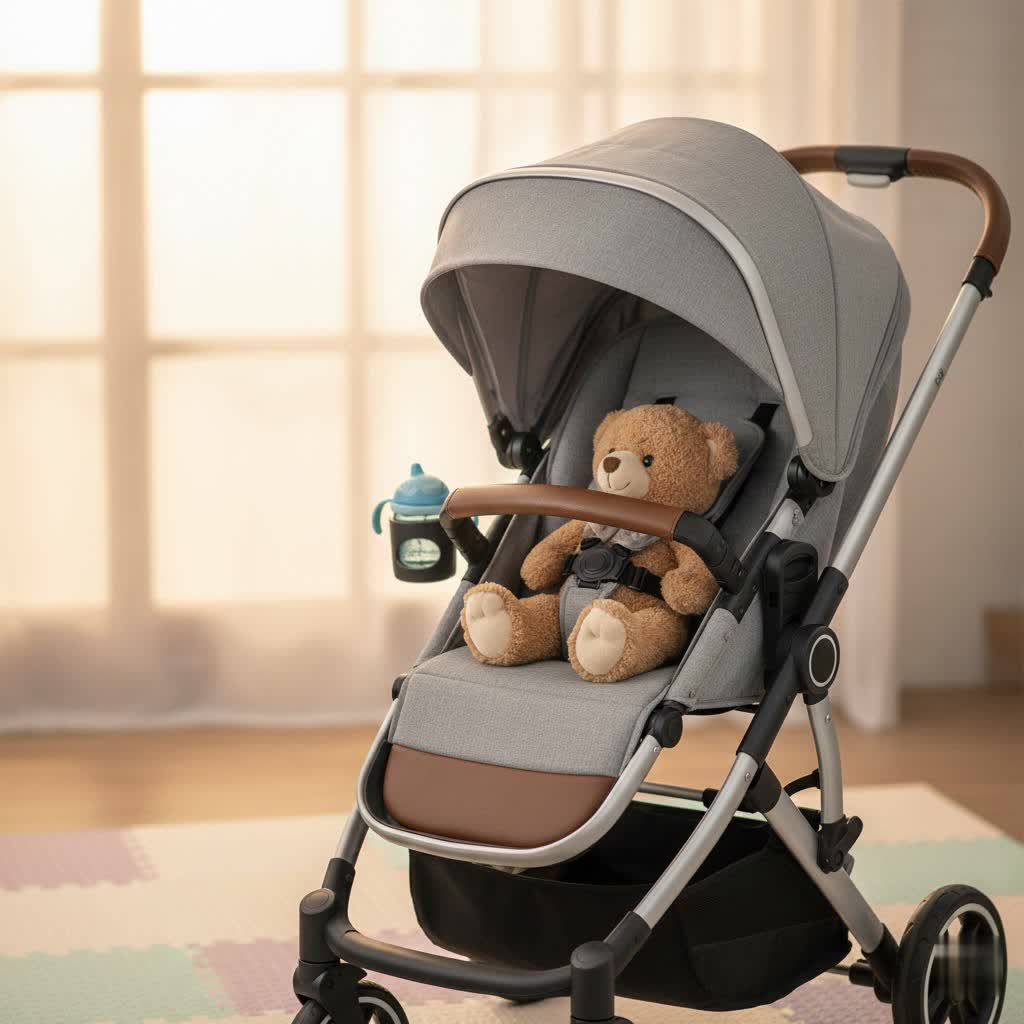
Choosing the perfect baby stroller is a crucial decision for new parents, impacting daily convenience, safety, and comfort. The right stroller acts as an extension of your parenting lifestyle, facilitating everything from quick errands to leisurely park walks. With numerous options available, from full-size models to compact travel systems, understanding key features and types is essential for an informed choice. This guide, based on extensive industry experience, simplifies the selection process to help families find a stroller that meets their unique needs.
An Overview of Baby Strollers
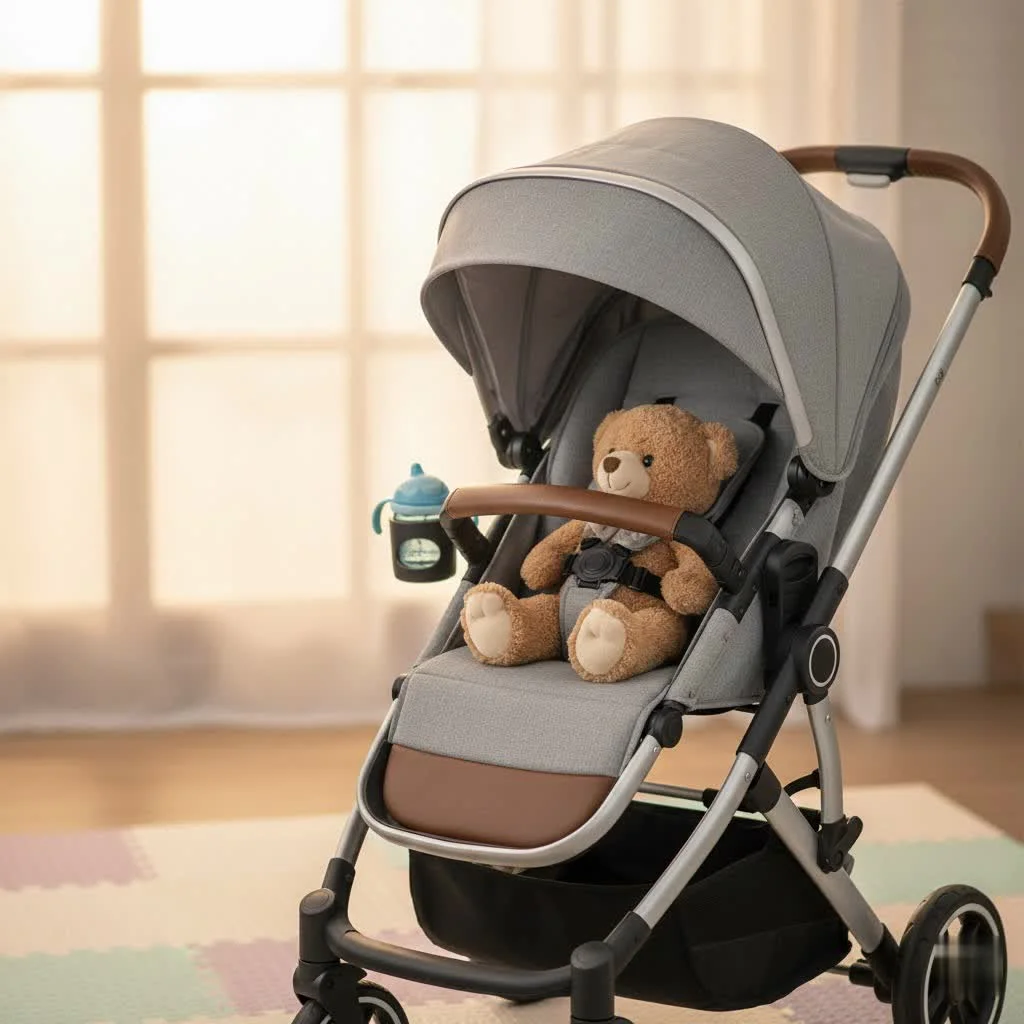
Baby strollers have evolved significantly, becoming sophisticated mobility solutions indispensable for navigating life with a child. They provide a secure and comfortable space for various activities. Understanding the primary types available is the first step in narrowing down your choices. For best baby stroller roundups on this site.
The market offers a diverse range to cater to various family needs and lifestyles. Full-size strollers are robust, offering features like large storage baskets, adjustable seating, and durable frames for everyday use. For families on the go, lightweight and travel strollers prioritize portability with compact folds and lighter materials, ideal for urban environments or air travel. Jogging strollers feature enhanced suspension and larger wheels to absorb shocks, perfect for active parents on rough terrains. When your family expands, double and convertible strollers accommodate two children or adapt from single to double. Lastly, travel systems combine an infant car seat with a compatible stroller frame, allowing seamless transitions from car to stroller without disturbing a sleeping baby.
Essential Criteria When Choosing a Baby Stroller
Choosing a baby stroller involves balancing numerous factors to ensure it meets your family’s specific demands. Prioritizing safety, comfort, practicality, and durability will help you select a reliable companion for your parenting journey.
Safety Features
Safety is paramount for any baby product. Always look for strollers that meet established safety standards, such as those set by ASTM (American Society for Testing and Materials). A secure five-point harness system is crucial, securing your child at the shoulders, waist, and between the legs to prevent falls. Effective brake systems, typically foot-activated, should be easy to engage and reliably hold the stroller in place. Some advanced strollers include a tether strap that connects the handle to your wrist, preventing accidental rollaways. Additional safety innovations, such as anti-tip designs with wider wheelbases or lower centers of gravity, enhance stability. For travel systems, look for car seats with load legs, anti-rebound bars, and rigid LATCH systems for enhanced protection.
Comfort
A comfortable ride ensures a happier baby and more peaceful outings. Consider the materials used for the seat and padding; breathable, soft fabrics are ideal for sensitive skin and temperature regulation. The seat recline capability is vital, especially for newborns who need to lie flat for proper spinal development. Multiple recline positions offer versatility for napping toddlers. Adequate canopy coverage, often with UPF 50+ protection, shields your child from sun, wind, and light rain. Good ventilation features, like mesh windows, are also important in warmer climates to ensure airflow and prevent overheating.
Practicality
|
Our Picks for the Best Baby Stroller in 2026
As an Amazon Associate I earn from qualifying purchases.
|
||
| Num | Product | Action |
|---|---|---|
| 1 | Compact Fold Lightweight Baby Stroller, Convertible Seat Toddler Stroller,Grey |

|
| 2 | Lightweight High-View Baby Stroller, One-Hand Fold & Compact Storage, Convertible Seat, 5-Point Safety Harness, Foldable Infant Stroller, Grey |
|
| 3 | 2 in 1 Baby Stroller, Convertible Bassinet Pushchair for Infants and Newborns 0-36 Months |
|
| 4 | Infant Newborn Baby Stroller - 2 in 1 Convertible Stroller with Reversible Seat - Foldable Aluminum Alloy Pram Anti-Shock Toddler Pushchair Strollers for 0-36 Months Babies (Green) |
|
| 5 | 2-in-1 Baby Stroller - Folding Infant Newborn Pram Stroller with Reversible Seat - Toddler Strollers for 0-36 Months Old Babies |
|
| 6 | 2-in-1 Baby Stroller - Folding Infant Newborn Pram Stroller with Reversible Seat - Toddler Strollers for 0-36 Months Old Babies (Grey) |
|
| 7 | Lightweight High-View Baby Stroller, One-Hand Fold & Compact Storage, Convertible Seat, 5-Point Safety Harness, Foldable Infant Stroller, Black |
|
| 8 | 2-in-1 Baby Stroller - Folding Infant Newborn Pram Stroller with Reversible Seat - Toddler Strollers for 0-36 Months Old Babies (Beige) |
|
| 9 | Baby Stroller, 2 in 1 Newborn Stroller Convertible Bassinet for Infant Toddler Pram with Footmuff (Black) |
|
| 10 | 2-in-1 Baby Stroller - Folding Infant Newborn Pram Stroller with Reversible Seat - Toddler Strollers for 0-36 Months Old Babies (Pink) |
|
The practicality of a baby stroller significantly impacts your daily routine. Assess its foldability; a compact, one-hand fold mechanism is a major upgrade for parents. The weight and size of the stroller should align with your lifestyle. Urban dwellers might prefer lighter, narrower models, while suburban families might prioritize more spacious designs. Storage capacity is another key feature, with a generously sized under-seat basket being indispensable. Look for convenient accessories like cup holders, snack trays, and parent organizers. Features like an adjustable handlebar accommodate caregivers of different heights, and a reversible seat allows your child to face you or face forward.
Durability and Quality
A baby stroller is a significant investment, and its durability relates directly to its longevity and performance. The frame material, often aluminum or lightweight carbon fiber, should be sturdy yet manageable. Wheel quality is critical; options like rubber, foam, or “never-flat” tires offer varying degrees of shock absorption and puncture resistance. Consider the terrain you’ll frequent—larger, more robust wheels with good suspension are essential for rough paths. The weight capacity of the seat and storage basket indicates how long the stroller will serve your growing child. High-quality construction ensures your stroller withstands daily wear and tear for years.
Comparing Popular Baby Stroller Types
The baby stroller market is rich with innovation, offering specialized designs for every family’s preference. Here’s a comparison of common types to help you understand their distinct advantages.
Detailed Comparison Table
| Feature / Stroller Type | Full-Size Stroller | Lightweight/Travel Stroller | Jogging Stroller | Double/Convertible Stroller | Travel System |
|---|---|---|---|---|---|
| Ideal Use | Everyday, long-term | Travel, quick errands, urban | Running, off-road | Multiple children | Newborns, car-to-stroller ease |
| Weight | Moderate to Heavy | Light to Very Light | Heavy | Heavy | Moderate to Heavy |
| Fold | Varies, sometimes bulky | Compact, often one-hand | Often bulky | Varies, can be bulky | Varies |
| Suspension | Good | Basic to Moderate | Excellent | Good | Good |
| Wheels | Medium to Large, durable | Small, often plastic | Large, air-filled | Medium to Large | Medium, durable |
| Storage | Ample | Limited to Moderate | Moderate | Ample | Ample |
| Newborn Ready | Often with bassinet/recline | Some with flat recline/adapters | After 8 months | Some with bassinet/adapters | Yes (with infant car seat) |
| Pros | Feature-rich, comfortable | Portable, easy to maneuver | Smooth ride on varied terrain | Accommodates multiple kids | Seamless car-to-stroller |
| Cons | Can be bulky, heavy | Less features, basic suspension | Bulky, not for newborns | Large, heavy | Can be expensive |
| Example Brands | UPPAbaby, Nuna | Joolz Aer+, Zoe Traveler | BOB Gear, Thule | UPPAbaby Vista, Bugaboo Donkey | Chicco, Graco, Nuna Pipa |
“The best stroller isn’t necessarily the most expensive one; it’s the one that best aligns with your daily reality and provides both safety and comfort for your child.” – Jane Doe, Certified Child Product Specialist
Buying Guide: How to Choose the Right Baby Stroller
Choosing a stroller is a highly personal decision. To ensure you make the perfect choice, consider your lifestyle, budget, and where you plan to make your purchase.
Determine Your Needs
Start by envisioning your typical day and how a stroller will fit into it.
- Purpose: Do you need a stroller for daily walks, frequent travel, or intense jogging? Different activities demand different features. An urban family might prioritize a lightweight, compact stroller for subway stairs, while an active family might need an all-terrain jogging stroller.
- Child’s Age: Will you be using the stroller from birth? If so, ensure it has a full lie-flat recline or is compatible with a bassinet or infant car seat. For older toddlers, look for higher weight capacities and adjustable footrests.
- Family Size: Planning for more children? A convertible stroller that can expand to accommodate a second child could be a wise investment.
Budget
Stroller prices can range from under $100 to over $1,000. It’s essential to set a realistic budget. Budget-friendly options are adequate for occasional use, while mid-range strollers balance quality and features. Premium strollers may justify their higher price tags with superior materials, advanced engineering, and innovative features. Consider the cost per use rather than just the initial price; a $400 stroller used daily for three years costs roughly 37 cents per day, demonstrating long-term value.
Where to Buy
You have options when purchasing your baby stroller.
- Online vs. In-Store: Online retailers offer convenience, wider selection, and competitive pricing, but you miss physically testing the stroller. In-store shopping allows you to push, fold, and lift various models, testing maneuverability and assessing materials.
- Reputable Retailers: Always choose a reputable seller, online or brick-and-mortar, that offers a good warranty and customer service. This ensures support if issues arise. Reading reviews from other parents provides valuable insights into both the product and the seller’s reliability.
Reputable Baby Stroller Brands
Several brands consistently receive high praise for their quality, safety, and innovative designs.
- UPPAbaby: Known for stylish and versatile strollers like the Vista (convertible) and Cruz (full-size), offering excellent suspension, large storage, and expandability.
- Nuna: Praised for luxurious aesthetics, thoughtful features like magnetic buckles, and high safety standards, often with GREENGUARD Gold certifications. The Nuna Mixx Next is a popular choice.
- Bugaboo: Offers high-end strollers that are often customizable and designed for specific lifestyles, such as the compact Butterfly for city living or the robust Fox 5 for all-terrain adventures.
- Britax: Focuses on safety and quality at affordable price points, with many strollers being flame-retardant-free and easily compatible with their car seats to form travel systems.
- Cybex: Combines European design with advanced safety features, including innovative car seat safety technologies and lightweight, durable stroller options like the Balios S Lux.
- Baby Jogger: Renowned for easy-to-fold strollers and adaptable designs, including popular models like the City Mini GT2 and the City Select, which converts from single to double.
- Graco: Offers a range of budget-friendly yet functional strollers and travel systems that provide great value and essential features for new parents.
- BOB Gear: A top choice for jogging strollers, known for rugged construction, superior suspension, and ability to handle various terrains with ease, such as the Revolution Flex.
These brands represent some of the best in the industry, each offering unique strengths that cater to different family needs and preferences.
Tips for Using and Maintaining Your Baby Stroller
Proper usage and regular maintenance are crucial for ensuring your baby stroller remains safe, functional, and extends its lifespan.
To use your baby stroller safely and effectively, always ensure your child is securely fastened with the five-point harness before moving. Never overload the storage basket beyond its recommended weight limit, as this can affect stability. When stopping, always engage the brakes immediately, especially on inclines. For newborns, ensure the seat is in a fully reclined or bassinet position. Avoid leaving your child unattended in the stroller, even if the brakes are on. Being mindful of these practices will significantly enhance safety during outings.
Regular maintenance will keep your stroller in top condition.
- Cleaning: Aim for weekly touch-ups to remove crumbs and debris using a handheld vacuum or damp cloth. A deep clean once a month is recommended, especially if you use it outdoors frequently.
- Fabric Parts: Remove all detachable fabric components (seat covers, canopies) and wash according to the manufacturer’s instructions. Many are machine-washable, but always check the care label. For non-removable fabrics, spot clean with a mild, baby-safe detergent and lukewarm water.
- Frame and Handlebar: Wipe down the frame and handlebar with a soft cloth dampened with warm, soapy water. Avoid harsh chemicals that could damage materials or pose a risk to your baby.
- Wheels: The wheels often endure the most wear and tear.
- Cleanliness: Regularly remove tangled hair, string, mud, or grit from the wheels and axles. An old toothbrush can be useful for hard-to-reach areas. Clean thoroughly at least once a month.
- Lubrication: Apply a child-safe silicone or PTFE lubricant to the rotating parts of the wheels, hinges, and folding mechanisms monthly to ensure smooth operation and prevent squeaks.
- Inspection: Before each use, check that the wheels are securely fastened. For air-filled tires, maintain proper tire pressure.
- Storage: To prevent mold and rust, never store your stroller in cold, damp, or humid environments like a cellar, and avoid leaving it outside. Store it in a dry, temperate place to protect its materials and mechanisms.
- Safety Checks: Before every outing, perform a quick safety check. Test the brakes to ensure they engage firmly. Inspect the harness system for any signs of wear, tears, or damage. Check for any loose screws or damaged parts on the frame or joints. Promptly address any issues to maintain optimal safety.
Conclusion
Choosing the ideal baby stroller is a pivotal decision that impacts your daily life with your little one. By carefully considering your lifestyle, prioritizing crucial features like safety and comfort, and understanding the different types and reputable brands available, you can confidently select a baby stroller that grows with your family. A well-chosen stroller is not just a mode of transport but an investment in your peace of mind and your child’s well-being. Regular maintenance, coupled with safe usage practices, will ensure your chosen baby stroller remains a reliable and cherished companion for years to come. What adventures will you embark on with your perfect baby stroller?
Frequently Asked Questions
How long can a baby use a stroller?
The lifespan of a stroller varies greatly depending on its type and design. Many full-size and convertible strollers are designed to accommodate children from infancy (with appropriate recline or attachments) up to 3-5 years of age or a weight limit of 50-75 pounds. Lightweight and travel strollers typically have similar weight limits but might be outgrown sooner in terms of comfort for taller children.
Are expensive strollers worth it?
The value of an expensive stroller depends on individual needs and budget. Pricier models often offer superior materials, advanced suspension, enhanced safety features, greater durability, and more refined maneuverability. For families who use their stroller frequently, on varied terrain, or plan to have multiple children, the added investment can translate into greater comfort, longevity, and a better overall user experience, making it a worthwhile purchase.
What are the main types of stroller wheels?
Stroller wheels typically come in three main types: plastic, foam-filled, and air-filled rubber tires. Plastic wheels are lightweight and found on umbrella strollers. Foam-filled wheels offer a balance of durability and a smoother ride without the risk of flats. Air-filled rubber tires provide the best shock absorption and ride quality, ideal for jogging or rough terrain, but require occasional inflation and can puncture.
Can I use a jogging stroller for a newborn?
While some jogging strollers can technically accommodate an infant car seat, it is generally not recommended to jog or run with a baby in a jogging stroller until they are at least 8 months old. This is because newborns lack the neck and head control to withstand the jarring movements of running, which could pose a safety risk. For walks, ensure the seat is fully reclined or use a compatible infant car seat.
How often should I clean my stroller?
A regular cleaning routine helps maintain your stroller’s hygiene and longevity. Weekly touch-ups, such as vacuuming crumbs and wiping down surfaces, are recommended. A more thorough deep clean, including washing fabric components and cleaning wheels, should be performed at least once a month, especially with frequent outdoor use. Consistent care prevents dirt buildup and ensures smooth operation.
Frequently Asked Questions
How long can a baby use a stroller?
Many full-size and convertible strollers accommodate children from infancy up to 3-5 years of age or a weight limit of 50-75 pounds. Lightweight and travel strollers often have similar weight limits but may be outgrown sooner for taller children due to comfort.
Are expensive baby strollers worth the investment?
The value of an expensive stroller depends on individual needs and budget. Pricier models often offer superior materials, advanced suspension, enhanced safety features, and greater durability. For frequent use or multiple children, the added investment can provide better comfort, longevity, and overall user experience.
What are the main types of stroller wheels available?
Stroller wheels typically come in three main types: plastic, foam-filled, and air-filled rubber tires. Plastic wheels are lightweight, foam-filled offer a balance of durability and a smooth ride, and air-filled rubber tires provide the best shock absorption for rough terrain but require inflation.
Can a jogging stroller be used for a newborn baby?
It is generally not recommended to jog or run with a baby in a jogging stroller until they are at least 8 months old, as newborns lack the necessary neck and head control. For walks, ensure the seat is fully reclined or use a compatible infant car seat for safety.
How frequently should I clean my baby's stroller?
A regular cleaning routine is essential for hygiene and longevity. Weekly touch-ups, such as vacuuming crumbs and wiping surfaces, are recommended. A more thorough deep clean, including washing fabric components and cleaning wheels, should be performed at least once a month, especially with frequent outdoor use.
How to Choose the Right Baby Stroller
Choosing the perfect baby stroller involves considering your lifestyle, budget, and where you plan to purchase it to ensure it meets your family's specific needs.
Envision your typical day and how a stroller will fit into it. Consider the primary purpose (daily walks, travel, jogging), your child's age (newborns need lie-flat recline or car seat compatibility), and future family size (convertible strollers for multiple children).
Stroller prices range from under $100 to over $1,000. Budget-friendly options are suitable for occasional use, while mid-range and premium strollers offer more features and durability. Consider the cost per use; a $400 stroller used daily for three years costs about 37 cents per day.
Weigh the pros and cons of online versus in-store shopping. Online retailers offer convenience and wider selection, while in-store allows you to physically test the stroller's maneuverability and feel. Always choose a reputable seller with good warranty and customer service.
Focus on safety features like a five-point harness and reliable brakes. Ensure comfort with breathable fabrics and recline options. Assess practicality through foldability, weight, storage capacity, and adjustable handlebars. Finally, check durability by examining frame material, wheel quality, and weight capacity.
Get our weekly buyer guide
Practical specs, not advice. Unsubscribe anytime.

I was looking for something really compact for city living and thought a lightweight umbrella stroller would be perfect. While it’s great for quick errands and public transport, I do wish it had a bit more storage space. It’s hard to fit even a small diaper bag, and the cup holder is pretty flimsy. Next time, I might consider a more robust compact option.
As a first-time dad, the sheer number of stroller options was overwhelming. I really appreciated the breakdown of full-size models versus travel systems. We decided on a travel system for the convenience of moving the car seat directly into the stroller, and it’s been fantastic for doctor’s appointments and quick trips. It feels really sturdy and safe, which was our top priority.
We just had our second baby and needed to upgrade to a double stroller. This guide was super helpful in comparing the different types. We ended up going with a side-by-side model, and it’s been a game-changer for our daily walks. Both kids are comfortable, and it still fits through most doorways without an issue. Definitely recommend doing your research like this before buying!
We’re pretty active and love to jog, so finding a good jogging stroller was key. The information here helped us understand what to look for in terms of suspension and wheel size. We invested in a higher-end model, and it handles rougher terrain like a dream. Our little one seems to enjoy the ride too, which is a huge plus!