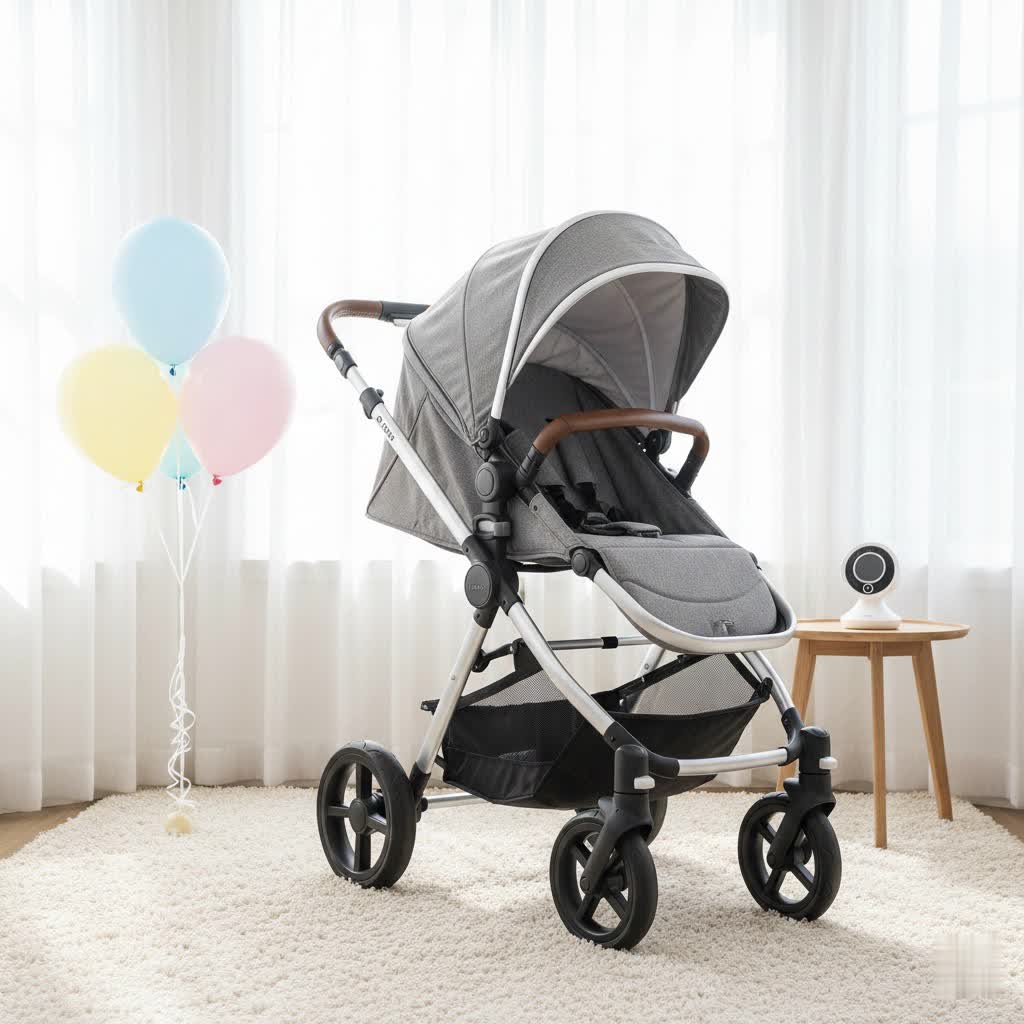
Welcoming a new baby into your life is an unparalleled joy, filled with wonder and a touch of overwhelm. Among the myriad of baby gear you’ll consider, the infant stroller stands out as a crucial investment, becoming your reliable partner for daily adventures and quiet strolls. From simple carriers to sophisticated travel systems, the market offers a vast array of choices, making the decision both exciting and daunting. This comprehensive guide, informed by years of experience in the baby product industry, aims to simplify your journey, providing objective insights and practical advice to help you select the ideal infant stroller that ensures your little one’s safety, comfort, and your peace of mind.
Understanding Infant Strollers
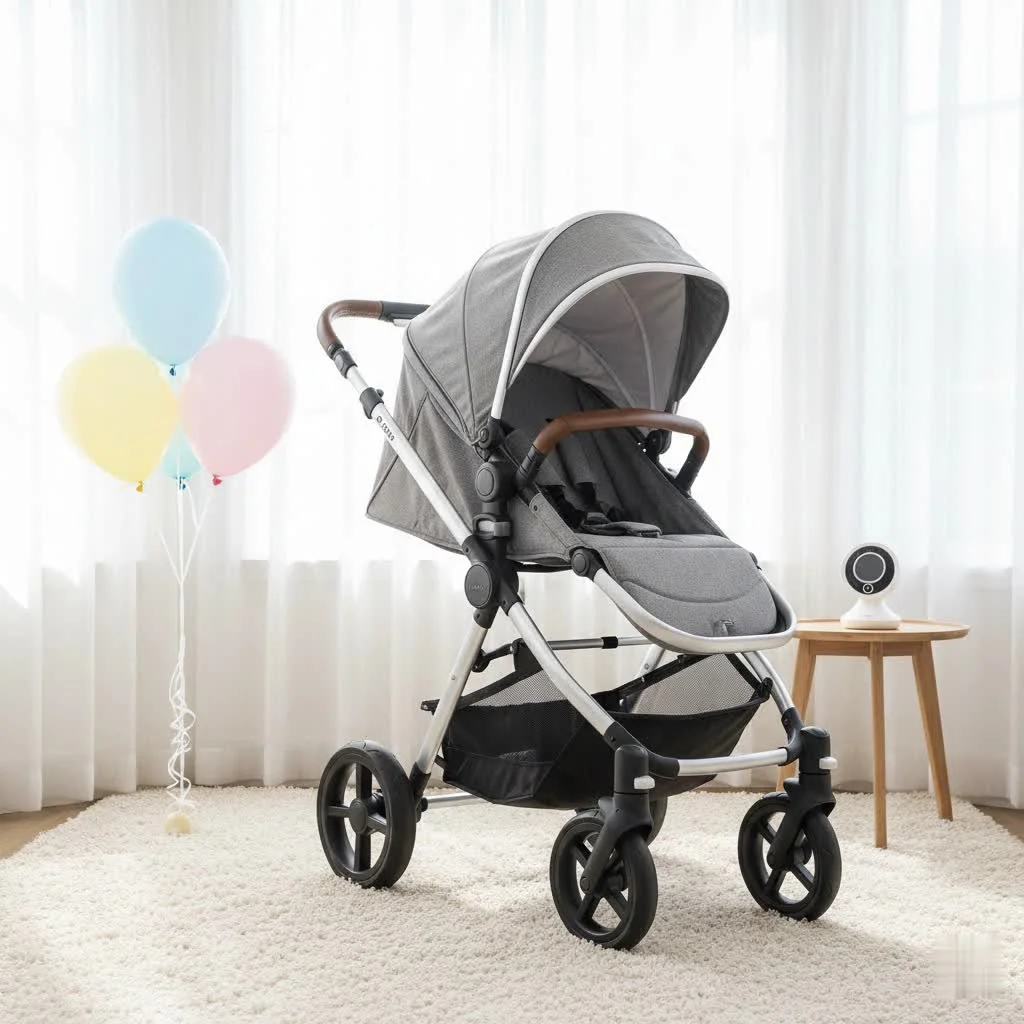
An infant stroller is more than just a means of transport; it’s a mobile haven designed to carry your baby safely and comfortably as you navigate the world together. The importance of a well-chosen infant stroller cannot be overstated, as it directly impacts your baby’s well-being and your daily routine. Early strollers were rudimentary, but today’s models integrate advanced features to cater to diverse family needs and lifestyles.
The market presents various types of infant strollers, each serving distinct purposes. Full-sized or standard strollers are robust and often come with ample features, while travel systems combine a stroller with a compatible infant car seat, offering seamless transitions from car to stroll without disturbing a sleeping baby. Bassinet strollers provide a lie-flat environment, crucial for newborns who lack the neck and head strength to sit upright. Lightweight and compact strollers prioritize portability, ideal for urban living or frequent travel, though not all are suitable for newborns without a specific recline or car seat attachment. Jogging strollers, with their superior suspension and larger wheels, are designed for active parents, but it’s vital to note that most are not recommended for infants younger than 6 to 8 months. Convertible strollers offer flexibility, adapting from a single to a double stroller, while double strollers accommodate twins or siblings close in age.
Key Criteria for Selecting an Infant Stroller
Choosing an infant stroller involves balancing several critical factors to ensure it meets both your baby’s needs and your family’s lifestyle. Delving into the specifics of safety, comfort, convenience, and durability will empower you to make an informed decision.
Safety First: Protecting Your Precious Cargo
When it comes to an infant stroller, safety is paramount. Always prioritize models equipped with a five-point safety harness, which securely fastens your baby at the shoulders, waist, and between the legs, preventing them from slipping or falling out. Effective brakes are another non-negotiable feature; look for easy-to-operate systems that firmly lock the wheels in place. A wide base helps prevent the stroller from tipping over, ensuring stability on various terrains. It is also crucial to inspect the stroller’s frame for any sharp edges or potential pinch points where tiny fingers and toes could get caught. For newborns, a stroller must offer a complete lie-flat recline or come with a bassinet attachment, as their developing neck and head muscles require full support. Many reputable brands adhere to safety standards like those set by the American Academy of Pediatrics (AAP), ensuring a foundational level of security.
Comfort: A Cozy Ride for Your Little One
|
Our Picks for the Best Baby Stroller in 2026
As an Amazon Associate I earn from qualifying purchases.
|
||
| Num | Product | Action |
|---|---|---|
| 1 | 2-in-1 Baby Stroller - Folding Infant Newborn Pram Stroller with Reversible Seat - Toddler Strollers for 0-36 Months Old Babies (Beige) |

|
| 2 | 2-in-1 Baby Stroller - Folding Infant Newborn Pram Stroller with Reversible Seat - Toddler Strollers for 0-36 Months Old Babies (Grey) |
|
| 3 | Compact Fold Lightweight Baby Stroller, Convertible Seat Toddler Stroller,Grey |
|
| 4 | Lightweight High-View Baby Stroller, One-Hand Fold & Compact Storage, Convertible Seat, 5-Point Safety Harness, Foldable Infant Stroller, Grey |
|
| 5 | Lightweight High-View Baby Stroller, One-Hand Fold & Compact Storage, Convertible Seat, 5-Point Safety Harness, Foldable Infant Stroller, Black |
|
| 6 | 2 in 1 Baby Stroller, Convertible Bassinet Pushchair for Infants and Newborns 0-36 Months |
|
| 7 | 2-in-1 Baby Stroller - Folding Infant Newborn Pram Stroller with Reversible Seat - Toddler Strollers for 0-36 Months Old Babies (Pink) |
|
| 8 | Baby Stroller, 2 in 1 Newborn Stroller Convertible Bassinet for Infant Toddler Pram with Footmuff (Black) |
|
| 9 | 2-in-1 Baby Stroller - Folding Infant Newborn Pram Stroller with Reversible Seat - Toddler Strollers for 0-36 Months Old Babies |
|
| 10 | Infant Newborn Baby Stroller - 2 in 1 Convertible Stroller with Reversible Seat - Foldable Aluminum Alloy Pram Anti-Shock Toddler Pushchair Strollers for 0-36 Months Babies (Green) |
|
Your infant’s comfort directly influences the success of your outings. Look for strollers with generous padding and supportive cushioning to provide a soft and snug environment. Breathable fabrics are essential, especially in warmer climates, to prevent overheating. The ability to adjust the seat’s recline is vital, allowing your baby to nap peacefully in a flat position or sit upright to observe their surroundings as they grow. A robust canopy offers essential protection from sun, wind, and light rain, with a peekaboo window allowing you to check on your little one without disruption. Good suspension systems are also crucial for absorbing shocks from uneven surfaces, ensuring a smooth and comfortable ride.
Convenience: Streamlining Your Parenthood Journey
A convenient infant stroller simplifies daily tasks and makes life on the go easier. A “one-handed” fold mechanism is highly sought after by parents, enabling you to collapse the stroller quickly while holding your baby. Consider the stroller’s weight and dimensions; a lightweight and compact model is ideal for urban environments, public transport, and smaller living spaces, while also fitting easily into your car trunk. Ample storage is a lifesaver for carrying diaper bags, snacks, and personal items, with a spacious under-seat basket being a common feature. An adjustable handlebar caters to caregivers of different heights, preventing back strain. Additionally, features like washable fabrics make cleanup effortless, and car seat compatibility, often found in travel systems, allows for seamless transfers from car to stroller without waking your baby.
Durability and Quality: An Investment That Lasts
Investing in a durable, high-quality infant stroller ensures longevity and reliability through years of use. Evaluate the materials used for the frame and wheels. Air-filled or rubberized foam wheels typically offer better traction and shock absorption than plastic wheels, making them suitable for various terrains. Many top brands test their strollers beyond industry standards, guaranteeing robustness. Look for products with replaceable parts and an extended warranty, indicating the manufacturer’s confidence in their product’s lifespan. A well-constructed stroller can withstand the rigors of daily use and potentially serve multiple children, offering excellent long-term value.
Comparing Popular Infant Stroller Types
To help you visualize the differences, here’s a detailed comparison of common infant stroller types based on key criteria:
| Stroller Type | Safety Features | Comfort for Infant | Convenience for Parent | Durability/Quality | Best Suited For |
|---|---|---|---|---|---|
| Standard/Full-Size | 5-point harness, sturdy frame, reliable brakes. | Padded seat, multiple recline, good suspension. | Large storage, often reversible seat, adjustable handle. | Robust frame, durable wheels, built to last. | Everyday use, various terrains, growing families. |
| Travel System | Secure car seat attachment, 5-point harness. | Infant car seat comfort, some recline options. | Seamless car-to-stroller transition, integrated system. | Varies by brand, generally good. | New parents, frequent car travel, convenience. |
| Bassinet Stroller | Lie-flat position, secure bassinet attachment. | Optimal for newborns (lie-flat), soft cushioning. | Converts to toddler seat, typically larger/heavier. | High-quality materials, built for early months. | Newborns (0-6 months), extended walks. |
| Lightweight/Compact | 5-point harness, basic brakes. | Less padding/recline than full-size, sometimes no lie-flat. | Easy one-handed fold, highly portable, small footprint. | Varies, some robust, some basic. | Travel, urban living, quick errands (check newborn compatibility). |
| Jogging Stroller | Enhanced suspension, hand brakes, 5-point harness. | Cushioned seat, smooth ride on rough terrain. | Less compact, heavier, excellent maneuverability. | Heavy-duty frame, large air-filled tires. | Active parents, rough terrains (not for infants < 6-8 months). |
| Convertible Stroller | 5-point harness, sturdy, adaptable frame. | Adapts with child’s age, often good comfort. | Grows with family, flexible configurations. | Designed for long-term use, good quality. | Families planning multiple children. |
Buying Guide: Finding Your Perfect Infant Stroller
Selecting the right infant stroller goes beyond just features; it’s about matching the product to your unique family situation.
Determining Your Usage Needs
Consider your daily life and future plans. Where will you use the stroller most often?
- Urban Parents: You’ll likely prioritize lightweight, compact models with an easy fold for navigating crowded streets, public transport, and small spaces. Car seat compatibility for quick transitions is also key.
- Suburban Families: Storage capacity for shopping trips and comfortable seating for longer outings might be more important. A sturdier full-sized or convertible stroller that grows with your child could be ideal.
- Active Parents: If you enjoy jogging or exploring nature trails, a jogging stroller with superior suspension and large wheels is a must, but remember the age restrictions for infants.
- Frequent Travelers: Look for ultra-compact, airline-approved strollers that fold easily and are lightweight for airport navigation and overhead bin storage.
Budget Considerations
Infant strollers range widely in price. Determine a realistic budget, but consider this an investment in your child’s safety and comfort, and your own convenience. While high-end models offer premium features and durability, many mid-range options provide excellent value. Prioritize must-have safety features and newborn compatibility first, then consider additional “nice-to-have” conveniences. A travel system can sometimes be more economical than buying a car seat and stroller separately.
Where to Purchase Your Stroller
You can purchase infant strollers both online and in physical stores. Buying in-store allows for a “test drive” – pushing the stroller, practicing the fold, and checking its weight and maneuverability. This hands-on experience is invaluable. When buying online, ensure the retailer has a robust return policy and offers detailed product descriptions and customer reviews. Regardless of where you buy, choose a reputable supplier that provides a warranty and excellent customer service for peace of mind.
Reputable Infant Stroller Brands
The market is home to several highly-regarded infant stroller brands, each with its strengths:
- UPPAbaby: Known for their premium design, excellent maneuverability, and durability, models like the Cruz v2 and Vista v3 are often praised for their robust build and features that grow with your family. They are a popular choice for full-sized, versatile strollers.
- Bugaboo: Offers high-quality, stylish, and highly modular strollers that often come with impressive suspension and durable components. Brands like the Bugaboo Butterfly 2 (compact) and Fox 5 (all-terrain) exemplify their commitment to thoughtful design and longevity.
- Cybex: Combines safety with sleek European design. The Cybex Balios S Lux, for instance, offers luxury features and can often integrate seamlessly with compatible infant car seats.
- Baby Jogger: Renowned for practicality and ease of use, with popular models like the City Mini GT2 known for handling various terrains and its convenient one-handed fold. They often strike a good balance between features and affordability.
- Evenflo: Provides strong value, with models like the Pivot Xpand offering versatility at a more accessible price point, often allowing for expansion to accommodate a second child.
- Zoe: Specializes in lightweight and travel-friendly strollers, offering compact solutions for parents on the go without compromising too much on features.
Tips for Using and Maintaining Your Infant Stroller
Proper use and regular maintenance are key to ensuring your infant stroller remains safe, functional, and extends its lifespan.
Always read the user manual for specific instructions on assembly, folding, and weight limits. Ensure your baby is properly secured in the five-point harness every time you use the stroller. Never leave your baby unattended in the stroller, and always engage the brakes when stationary. Be mindful of weight distribution, avoiding overloading the handles or storage basket, which can cause the stroller to tip.
For maintenance, regular cleaning is vital. Many strollers feature washable fabrics and removable seat pads that can be easily cleaned according to manufacturer instructions. Wipe down the frame and plastic components with a damp cloth. Check the wheels periodically for debris and ensure they roll smoothly; lubricate moving parts as needed. Store your stroller in a dry place, away from extreme temperatures, to prevent material degradation. Regularly inspect the harness, brakes, and folding mechanisms for any signs of wear or damage. Promptly address any issues or consult with the manufacturer for repairs to maintain safety standards.
“A well-maintained stroller isn’t just about hygiene; it’s about ensuring every outing is as safe and reliable as the first. Think of it as caring for a trusted family car – small efforts yield long-term dividends.” – Dr. Sarah Chen, Pediatric Safety Expert
Conclusion
Choosing the ideal infant stroller is a significant decision that impacts your daily life with your baby. By prioritizing safety features like a five-point harness and reliable brakes, ensuring maximum comfort with lie-flat recline options for newborns, and considering practical conveniences such as a one-handed fold and ample storage, you can find a model that perfectly fits your family’s needs. Remember to factor in your lifestyle, budget, and the stroller’s durability to make a long-lasting investment.
Which feature do you believe is the most underrated when selecting an infant stroller, and why?
Frequently Asked Questions
When can my newborn safely use a stroller?
Newborns require full head and neck support, so they can only use strollers that fully recline to a flat position or come with a bassinet attachment. Most regular stroller seats are suitable from about 6 months when your baby can sit up unassisted. Always check the manufacturer’s age and weight recommendations.
Is a travel system worth it for infants?
Yes, a travel system can be highly convenient for infants as it includes an infant car seat that seamlessly clicks into the stroller frame. This allows you to transfer your sleeping baby from the car to the stroller without waking them, making errands and appointments much smoother.
How important is a five-point harness?
A five-point harness is crucial for infant safety. It secures your baby at five points—both shoulders, both hips, and between the legs—providing maximum restraint and preventing them from climbing out or falling, especially important for active infants.
What’s the difference between air-filled and plastic wheels on a stroller?
Air-filled (pneumatic) wheels, similar to bicycle tires, offer superior shock absorption, providing a smoother ride on uneven terrain and for jogging. Plastic or foam-filled rubber wheels are generally maintenance-free and puncture-proof, suitable for urban environments and lighter use, but offer less suspension.
Get our weekly buyer guide
Practical specs, not advice. Unsubscribe anytime.

I’m so glad I read this before buying! The section on travel systems really helped me understand why they’re such a good investment for new parents. We ended up getting the Chicco Bravo LE and it’s been a lifesaver for doctor’s appointments and quick errands. The car seat clicks in so easily, which is a huge plus when you have a sleeping baby.
I appreciated the breakdown of features to look for. I ended up getting a UPPAbaby Vista V2 because everyone raves about it, but honestly, it’s a bit bulkier than I expected for city living. It’s super comfortable for my baby and feels very sturdy, but maneuvering it in tight spaces can be a challenge. I probably should have considered a more compact option.
The advice on considering your lifestyle was spot on! As someone who loves to jog, I knew I needed a stroller that could handle different terrains. We invested in a BOB Revolution Flex 3.0 and it’s been amazing. My little one is always comfy, even on our longer runs, and the adjustable handlebar is perfect for me and my husband.
This guide was super helpful in narrowing down our options. We were torn between a lightweight stroller and something more robust. We went with a Graco SnugRide system after reading about the different types, and while it’s great for everyday use, I do wish it had slightly better suspension for bumpy sidewalks. Still, it’s a solid choice for the price point.