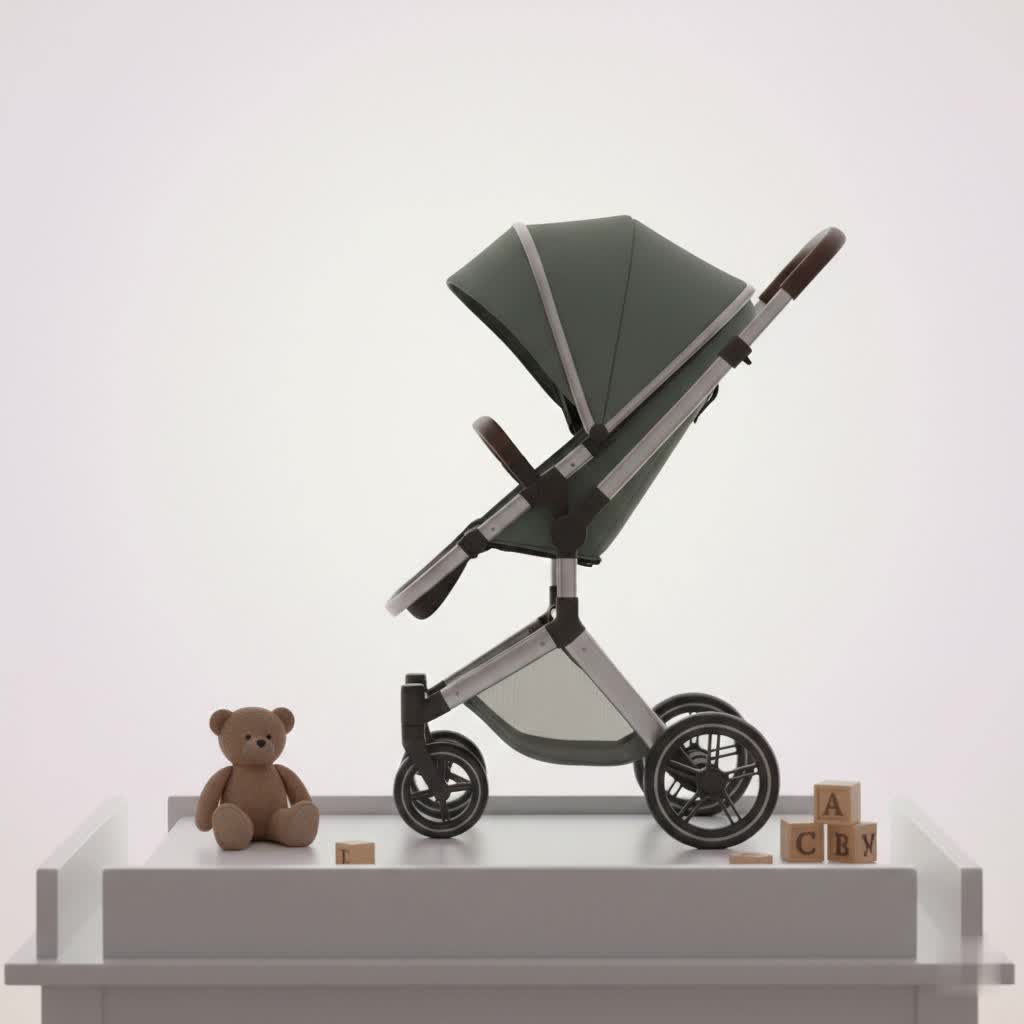
Navigating parenthood comes with a myriad of choices, and one of the most significant is selecting the right baby stroller. Among the vast array of options, the umbrella stroller stands out as a beloved companion for many parents. Known for its lightweight design and exceptional portability, an umbrella stroller can transform quick errands, daily outings, and family vacations into seamless experiences. If you’re looking for a convenient, easy-to-manage solution for your growing child, understanding the nuances of these compact wonders is key to making an informed decision.
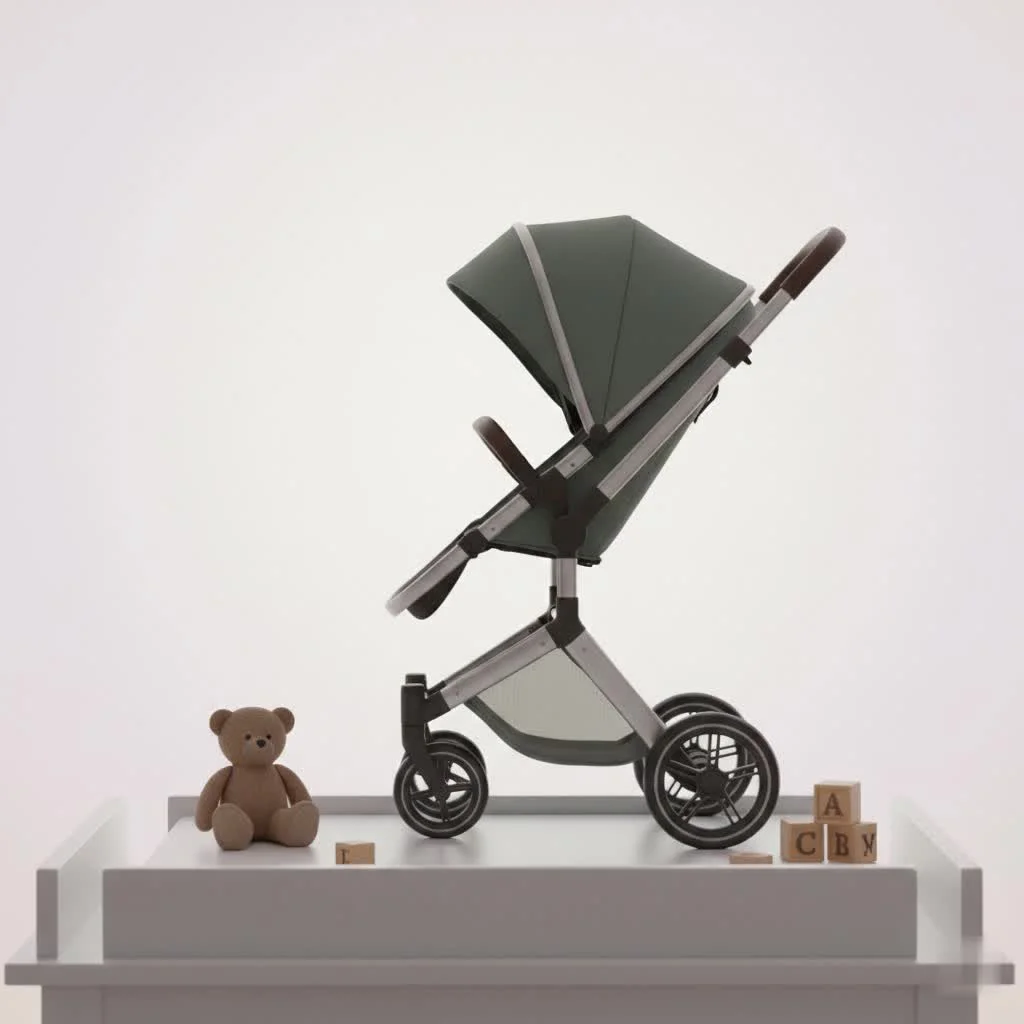
Overview of Umbrella Strollers
An umbrella stroller is defined by its characteristic folding mechanism, which collapses the frame into a long, slender shape, much like an umbrella. Unlike bulkier, full-sized strollers or complex travel systems, these models prioritize agility and ease of transport. This design typically features two separate handles, resembling the hook of an umbrella, contributing to their distinctive appearance and often lighter weight.
While all umbrella strollers are designed for portability, there’s a spectrum of features available. Basic models offer essential functionality for quick trips, while more advanced versions incorporate comfort and convenience features often found in larger strollers, such as reclining seats, larger canopies, and enhanced suspension. They serve as an invaluable secondary stroller for many families—perfect for keeping in the car for impromptu stops, at a grandparent’s house, or for navigating crowded environments where a full-sized stroller would be cumbersome. They shine particularly during travel, from local excursions to airline flights, due to their compact folded size.
Key Criteria for Choosing an Umbrella Stroller
Selecting the ideal umbrella stroller involves balancing portability with your child’s comfort and safety, alongside your own convenience needs. Consider these important factors to guide your choice.
Safety Features
Safety should always be paramount when choosing any baby gear. For umbrella strollers, pay close attention to the following:
- Age and Weight Limits: Most umbrella strollers are designed for babies who can sit up unassisted, typically around six months of age, and often accommodate children up to 40-55 pounds. This is crucial as younger infants lack the necessary head and neck support for the typically more upright seating positions in many umbrella strollers. Always check the manufacturer’s specific guidelines.
- Harness System: A secure five-point harness is essential to keep your child safely buckled in, preventing them from slipping out or standing up. Ensure it’s easy to fasten and adjust.
- Braking System: Test the brakes to ensure they engage securely and are easy to operate, ideally with a single action. This is vital for parking the stroller safely, especially on inclines.
Child Comfort
|
Our Picks for the Best Baby Stroller in 2026
As an Amazon Associate I earn from qualifying purchases.
|
||
| Num | Product | Action |
|---|---|---|
| 1 | 2 in 1 Baby Stroller, Convertible Bassinet Pushchair for Infants and Newborns 0-36 Months |

|
| 2 | 2-in-1 Baby Stroller - Folding Infant Newborn Pram Stroller with Reversible Seat - Toddler Strollers for 0-36 Months Old Babies (Beige) |
|
| 3 | Lightweight High-View Baby Stroller, One-Hand Fold & Compact Storage, Convertible Seat, 5-Point Safety Harness, Foldable Infant Stroller, Black |
|
| 4 | Lightweight High-View Baby Stroller, One-Hand Fold & Compact Storage, Convertible Seat, 5-Point Safety Harness, Foldable Infant Stroller, Grey |
|
| 5 | Infant Newborn Baby Stroller - 2 in 1 Convertible Stroller with Reversible Seat - Foldable Aluminum Alloy Pram Anti-Shock Toddler Pushchair Strollers for 0-36 Months Babies (Green) |
|
| 6 | 2-in-1 Baby Stroller - Folding Infant Newborn Pram Stroller with Reversible Seat - Toddler Strollers for 0-36 Months Old Babies |
|
| 7 | 2-in-1 Baby Stroller - Folding Infant Newborn Pram Stroller with Reversible Seat - Toddler Strollers for 0-36 Months Old Babies (Pink) |
|
| 8 | 2-in-1 Baby Stroller - Folding Infant Newborn Pram Stroller with Reversible Seat - Toddler Strollers for 0-36 Months Old Babies (Grey) |
|
| 9 | Compact Fold Lightweight Baby Stroller, Convertible Seat Toddler Stroller,Grey |
|
| 10 | Baby Stroller, 2 in 1 Newborn Stroller Convertible Bassinet for Infant Toddler Pram with Footmuff (Black) |
|
Even a lightweight stroller should offer a comfortable ride for your little one, especially if you plan on extended use.
- Seat Padding and Material: Look for adequate padding in the seat and backrest. Breathable fabrics are beneficial, particularly in warmer climates, to prevent your child from overheating.
- Recline Positions: While some basic umbrella strollers have a fixed upright position, many offer multiple recline options. A deeper recline is invaluable for naps on the go and can make the stroller suitable for slightly younger infants who have good head control but still need a relaxed position.
- Sun Canopy: A generous, adjustable sun canopy with UPF 50+ protection is vital for shielding your child from the sun’s harmful rays. Features like peek-a-boo windows and extendable visors add to functionality.
- Footrest: A comfortable footrest allows your child to properly support their legs, enhancing overall comfort during longer outings.
Portability and Convenience for Parents
The primary appeal of an umbrella stroller lies in its ease of use for parents on the move.
- Folding Mechanism: A key feature is the ability to fold the stroller quickly and easily, ideally with one hand, especially when you’re also holding your child. Test how the frame locks into place when folded.
- Weight and Size: Umbrella strollers typically range from 10 to 20 pounds. Consider how often you’ll be lifting and carrying it. The more compact the fold, the easier it will be to store in a car trunk, closet, or even an airplane overhead bin.
- Carry Features: Many models include a shoulder strap or a handle to make carrying the folded stroller more convenient.
- Storage Space: While often smaller than full-sized strollers, a functional storage basket is still a valuable asset for essentials like diapers, wipes, and snacks. Some models also offer parent cup holders or accessory pockets.
Durability and Quality
A good umbrella stroller should withstand regular use without feeling flimsy.
- Frame Material: Look for a sturdy frame, often made from aluminum, which provides a good balance
Get our weekly buyer guide
Practical specs, not advice. Unsubscribe anytime.
