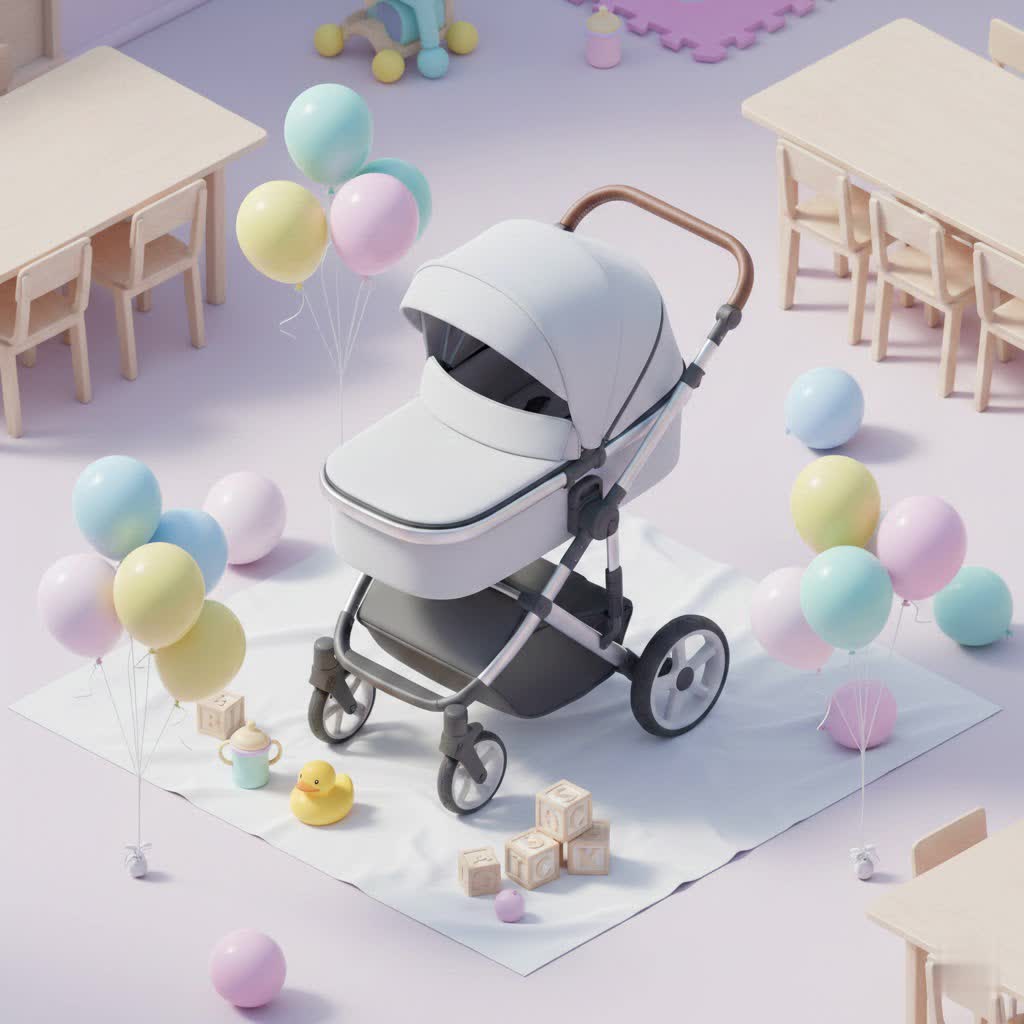
The journey of parenthood is a wonderful adventure, filled with new experiences and cherished moments. As your little one transitions from infancy into the lively toddler years, their needs, and consequently your gear requirements, evolve significantly. A Toddler Stroller becomes more than just a means of transport; it’s a vital tool that supports daily routines, encourages exploration, and ensures comfort and safety for your growing child. Choosing the right one amidst a sea of options can feel overwhelming, but this comprehensive guide is here to simplify that decision, helping you find a stroller that seamlessly integrates into your family’s dynamic lifestyle.
Overview of Toddler Strollers
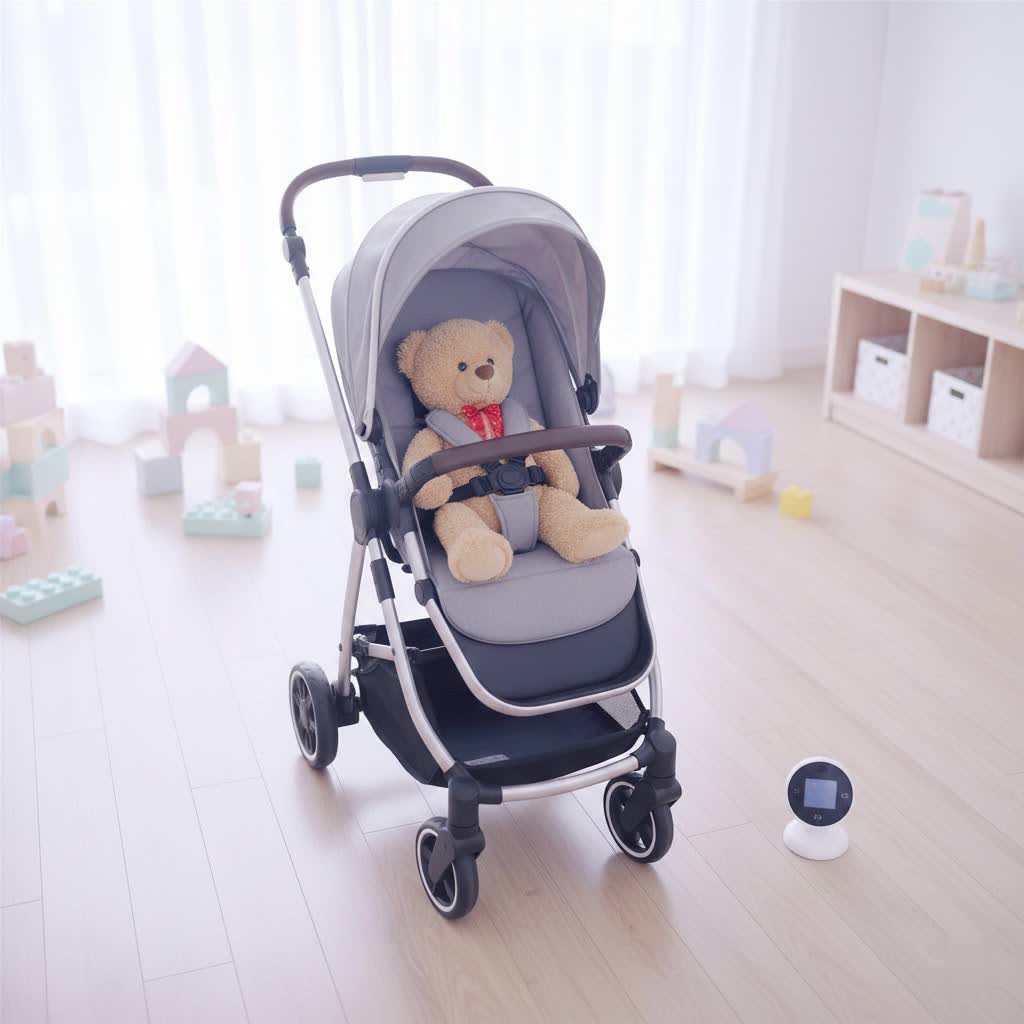
Toddler strollers are specifically designed to accommodate children who have outgrown the infant stage, typically from around six months old up to three to five years, or until they reach specific weight and height limits. Unlike infant-focused models, toddler strollers prioritize features that cater to a more independent, active, and heavier child. They offer robust frames, greater seat adjustability, and often more storage for the essentials that accompany older children on their adventures.
The market offers a diverse range of toddler strollers, each suited to different family needs and lifestyles:
- Full-Size Strollers: These are robust and versatile, offering ample padding, multiple recline positions, and generous storage. They are excellent for everyday use, providing maximum comfort and durability for both short trips and longer outings.
- Lightweight or Umbrella Strollers: Designed for portability, these strollers are typically compact, easy to fold, and lighter than full-size models. They are ideal for quick errands, travel, or city living where space and maneuverability are paramount.
- Jogging Strollers: For active parents, jogging strollers feature sturdy frames, enhanced suspension, and large, air-filled wheels to handle various terrains, from city pavements to nature trails, ensuring a smooth ride even at faster paces.
- Double Strollers: When you have two young children or are planning for another, double strollers come in side-by-side or tandem configurations, offering solutions for families with multiple little ones.
- Stroller Wagons: A hybrid option gaining popularity, stroller wagons provide ample space for multiple toddlers, gear, and can often handle more rugged terrain, making them suitable for park visits, beach trips, or even light grocery runs.
Understanding these categories is the first step in identifying which type aligns best with your family’s unique requirements.
Important Criteria When Choosing a Toddler Stroller
Selecting a toddler stroller involves careful consideration of several key factors to ensure it meets both your child’s needs and your practical demands.
Safety Features
Your child’s safety is paramount. When evaluating a toddler stroller, look for these crucial safety elements:
- Five-Point Harness: This is non-negotiable for toddlers. A five-point harness secures your child at the shoulders, hips, and between the legs, preventing them from wiggling out or falling, even the most adventurous little explorers.
- Reliable Brakes: Ensure the stroller has easy-to-engage and release brakes. Foot-activated brakes are common, while some jogging strollers feature hand-operated brakes for additional control, especially on inclines. Test them out to ensure they hold the stroller firmly in place.
- Sturdy Frame and Wide Base: A robust frame and a wide wheelbase contribute to the stroller’s stability, minimizing the risk of tipping, particularly when your toddler leans or moves actively.
- Lockable Wheels: Front swivel wheels that can be locked in place provide stability on uneven surfaces and are often a safety feature for jogging strollers.
- UPF-Protected Canopy: A large, extendable canopy with UPF (Ultraviolet Protection Factor) offers essential protection from the sun’s harmful rays, keeping your toddler shaded and comfortable during outdoor excursions.
- Bumper Bar: While not strictly a safety device, a removable bumper bar can provide an added sense of security and a place for your child to hold on.
|
Our Picks for the Best Baby Stroller in 2026
We may earn a commission when you use one of our links to make a purchase.
|
||
| Num | Product | Action |
|---|---|---|
| 1 | Lightweight High-View Baby Stroller, One-Hand Fold & Compact Storage, Convertible Seat, 5-Point Safety Harness, Foldable Infant Stroller, Black |

|
| 2 | 2-in-1 Baby Stroller - Folding Infant Newborn Pram Stroller with Reversible Seat - Toddler Strollers for 0-36 Months Old Babies (Pink) |
|
| 3 | 2 in 1 Baby Stroller, Convertible Bassinet Pushchair for Infants and Newborns 0-36 Months |
|
| 4 | 2-in-1 Baby Stroller - Folding Infant Newborn Pram Stroller with Reversible Seat - Toddler Strollers for 0-36 Months Old Babies (Beige) |
|
| 5 | 2-in-1 Baby Stroller - Folding Infant Newborn Pram Stroller with Reversible Seat - Toddler Strollers for 0-36 Months Old Babies (Grey) |
|
| 6 | Baby Stroller, 2 in 1 Newborn Stroller Convertible Bassinet for Infant Toddler Pram with Footmuff (Black) |
|
| 7 | Lightweight High-View Baby Stroller, One-Hand Fold & Compact Storage, Convertible Seat, 5-Point Safety Harness, Foldable Infant Stroller, Grey |
|
| 8 | Compact Fold Lightweight Baby Stroller, Convertible Seat Toddler Stroller,Grey |
|
| 9 | Infant Newborn Baby Stroller - 2 in 1 Convertible Stroller with Reversible Seat - Foldable Aluminum Alloy Pram Anti-Shock Toddler Pushchair Strollers for 0-36 Months Babies (Green) |
|
| 10 | 2-in-1 Baby Stroller - Folding Infant Newborn Pram Stroller with Reversible Seat - Toddler Strollers for 0-36 Months Old Babies |
|
Comfort Features
A comfortable toddler is a happy toddler, making for more enjoyable outings for everyone.
- Padded Seats and Ample Ventilation: Look for generous padding in the seat and harness straps. Breathable fabrics and ventilation panels are crucial, especially in warmer climates, to prevent overheating.
- Multiple Recline Positions: Toddlers still need naps on the go. A seat that offers several recline options, including a near-flat position, ensures your child can rest comfortably.
- Adjustable Footrest: As toddlers grow, their leg length changes. An adjustable footrest provides proper support, preventing dangling legs and promoting better circulation.
- Smooth Suspension System: A good suspension system, especially with air-filled or high-quality rubber wheels, absorbs shocks from bumps and uneven terrain, providing a smoother, more comfortable ride for your child.
- Reversible Seat: Some strollers offer a reversible seat, allowing your toddler to face you for interaction and bonding or face forward to explore the world around them.
Practicality
Convenience for parents is a significant factor in how much a stroller will be used.
- Foldability: A one-handed or simple folding mechanism is a game-changer, especially when you’re juggling a toddler and other items. The folded size should also be compact enough to fit in your car trunk or storage space.
- Weight and Dimensions: Consider the stroller’s overall weight and its dimensions when open and folded. Will it be easy for you to lift and carry? Will it navigate narrow doorways or crowded aisles?
- Storage Capacity: Toddlers come with a surprising amount of gear. A roomy underseat basket, parent console for keys and phone, and seatback pockets for smaller items are incredibly useful.
- Adjustable Handlebar Height: For parents of different heights, an adjustable handlebar ensures comfortable pushing and maneuvering, reducing strain on your back and shoulders.
- Car Seat Compatibility: While primarily for infants, if you plan to use the stroller from birth with future children, or if you still use an infant car seat for shorter trips, compatibility with various car seat brands can be a plus.
- Snack Tray and Cup Holders: These small additions make a big difference, offering a convenient spot for your toddler’s snacks and drinks, and a cup holder for your own beverage.
- Washable Fabrics: Spills and messes are inevitable. Strollers with removable, machine-washable fabrics or those made from easy-to-wipe-clean materials simplify maintenance.
Durability and Quality
A toddler stroller is an investment, and you want it to last through years of active use.
- Material Quality: Examine the quality of the frame (e.g., aluminum for lightweight strength), fabrics (tear-resistant, breathable), and all components.
- Wheel Quality: Beyond suspension, the material and size of the wheels matter. Air-filled tires offer superior shock absorption, while rubberized foam or puncture-proof wheels provide durability without the risk of flats. Larger wheels generally handle rougher terrain better.
- Tested Standards: Look for strollers that meet or exceed industry safety and durability standards. Brands that extensively test their products often highlight this.
- Replaceable Parts and Warranty: A modular design that allows for easy replacement of parts can extend the stroller’s lifespan. A generous warranty also provides peace of mind.
Comparison of Popular Toddler Stroller Types
Choosing the right type of toddler stroller depends heavily on your family’s lifestyle and specific needs. Here’s a comparison to help illustrate the strengths of each:
| Stroller Type | Best For | Key Characteristics | Pros | Cons |
|---|---|---|---|---|
| Full-Size | Everyday use, long outings, varied terrain | Sturdy frame, padded seat, large canopy, ample storage, often convertible | Excellent comfort, durability, adaptable for newborns (with accessories), smooth ride | Can be heavy and bulky, less compact fold |
| Lightweight/Umbrella | Quick errands, travel, city living, compact storage | Compact fold, lighter weight, simpler features, often less padding | Highly portable, easy to maneuver in tight spaces, budget-friendly | Less suspension, smaller storage, may not recline fully, less durable for heavy use |
| Jogging Stroller | Active parents, running, varied terrain | Three large, air-filled wheels, superior suspension, hand brake, fixed front wheel option | Smooth ride on rough terrain, excellent stability for speed, good for active lifestyles | Bulky, less maneuverable in tight spaces, typically not suitable for newborns (without specific accessories) |
| Double Stroller | Families with two young children | Side-by-side or tandem seating, larger frame, increased weight capacity | Accommodates two children, fosters sibling interaction (side-by-side), can be narrow (tandem) | Heavier and wider/longer than single strollers, can be challenging to maneuver or fit through doorways |
| Stroller Wagon | Multiple children, heavy gear, diverse terrain | Open seating area, pull/push handle, larger wheels, often high weight capacity | Versatile for multiple kids/gear, handles various terrains, easy loading, unique social seating | Can be very bulky, not always accepted in all public places (e.g., theme parks), heavy to lift |
Buying Guide: How to Choose the Right Toddler Stroller
Making the final decision involves a personalized assessment of your family’s situation.
Determine Usage Needs
Start by envisioning your daily life and special outings:
- What is your lifestyle? Are you an urban dweller navigating public transport and crowded sidewalks, a suburban family enjoying park walks, or an active adventurer hitting trails? Your environment dictates the type of wheels, suspension, and maneuverability needed.
- How often will you use it? Daily use calls for a more durable and feature-rich model, while occasional use might suit a lighter, more basic stroller.
- Who will be using it? If multiple caregivers will push the stroller, consider adjustable handlebars and ease of use.
- Do you have one child or multiple? This directly impacts whether you need a single, double, or convertible stroller. If you plan for more children, a single-to-double convertible stroller offers long-term value.
Budget
Strollers range widely in price, from budget-friendly umbrella models to high-end multi-functional systems.
- Identify Must-Haves vs. Nice-to-Haves: Prioritize essential safety and comfort features. Decide which practical add-ons are crucial and which can be foregone or added later.
- Consider Long-Term Value: A more expensive, durable stroller that lasts through multiple children or years of heavy use might be more economical in the long run than repeatedly replacing cheaper models.
- Set a Realistic Range: Establish a budget that balances desired features with what you’re comfortable spending.
Where to Buy
The purchasing location can influence your decision and experience:
- Online Retailers: Offer a vast selection, competitive pricing, and user reviews. However, you can’t physically interact with the stroller.
- Brick-and-Mortar Stores: Provide the invaluable opportunity to “test drive” strollers. You can push them around, practice folding, check the fit in your car, and assess maneuverability. Many stores also have knowledgeable staff to answer questions.
- Check Warranty and Return Policies: Regardless of where you buy, understand the store’s and manufacturer’s policies on warranties, repairs, and returns.
Reputable Toddler Stroller Brands
Many brands have earned reputations for quality, safety, and innovative design in the toddler stroller market. Brands such as UPPAbaby are often praised for their luxurious feel, versatile systems that grow with families, and ample storage. Bugaboo is known for its iconic designs, modularity, and smooth maneuverability across various terrains. Nuna offers sleek aesthetics and intuitive designs focusing on safety and ease of use. Cybex is recognized for its strong emphasis on safety features and modern, ergonomic designs. Mockingbird provides customizable options and robust construction at a more accessible price point. Other reliable brands include Silver Cross, Joolz, BOB, Graco, Chicco, and Evenflo, each offering unique strengths tailored to different family preferences and budgets. When considering these brands, focus on what aspects align with your personal priorities for design, functionality, and specific features.
Tips for Using and Maintaining a Toddler Stroller
To maximize the lifespan of your toddler stroller and ensure continued safety, proper use and maintenance are key.
- Safe Usage: Always secure your toddler with the five-point harness, even for short distances. Engage the brakes whenever the stroller is stationary. Adhere to the manufacturer’s weight and height limits to prevent accidents and damage. Avoid overloading storage baskets, as this can affect stability.
- Cleaning: Regularly wipe down the frame with a damp cloth and mild soap. For fabric components, follow the manufacturer’s cleaning instructions; many have removable, washable fabrics, while others require spot cleaning. Promptly clean up spills and food messes to prevent stains and odors.
- Storage: When not in use, store your stroller in a dry, protected area away from direct sunlight or extreme temperatures, which can degrade fabrics and plastic components over time. Ensure it is fully dry before storing to prevent mold and mildew.
- Regular Checks: Periodically inspect the wheels, brakes, harness system, and folding mechanisms for any signs of wear, damage, or loose parts. Lubricate moving parts if recommended by the manufacturer. Timely maintenance can prevent minor issues from becoming major problems.
By following these tips, your toddler stroller will remain a safe, comfortable, and reliable companion for countless adventures with your little one.
Conclusion
Choosing the right toddler stroller is a significant decision that impacts your family’s daily life and adventures. By carefully considering essential factors like safety features, comfort for your growing child, practicality for your lifestyle, and the overall durability of the product, you can make an informed choice. Remember that the ideal stroller is one that seamlessly fits into your routine, providing a safe and comfortable ride for your toddler while offering convenience and ease of use for you. With the perfect toddler stroller, every outing, whether a quick trip to the store or a leisurely park stroll, becomes an opportunity for joy and exploration.
What aspect of your daily life do you anticipate your new toddler stroller will most dramatically improve?
Frequently Asked Questions
What’s the difference between a baby stroller and a toddler stroller?
While the terms are often used interchangeably, a “baby stroller” typically encompasses models suitable from birth (often with bassinet or infant car seat compatibility), whereas a “toddler stroller” specifically caters to older children who can sit unassisted, focusing on increased weight capacity, larger seats, and features for active preschoolers.
When can a baby use a toddler stroller?
Generally, a baby can transition to a standard toddler stroller seat when they can sit up unassisted, usually around 6 months of age. Always check the specific stroller’s age and weight guidelines, and ensure the seat offers adequate support and a secure harness.
How long can a child use a stroller?
Most children can use a stroller until they are around 3 to 5 years old, or until they reach the stroller’s maximum weight or height limit, which is typically between 40 to 55 pounds. The duration depends on the child’s development, willingness to walk, and the stroller’s specifications.
Are lightweight strollers safe for toddlers?
Yes, lightweight strollers are safe for toddlers, provided they meet safety standards and your child is within the stroller’s weight and height limits. While they offer less padding and suspension than full-size models, they are ideal for quick trips and travel where portability is key.
What features are essential for an urban toddler stroller?
For urban environments, essential features include a compact, easy-to-fold design, excellent maneuverability in tight spaces, durable wheels suitable for pavements, a good braking system, and often ample storage for city errands. Adjustable handlebar height is also a plus for comfortable city navigating.