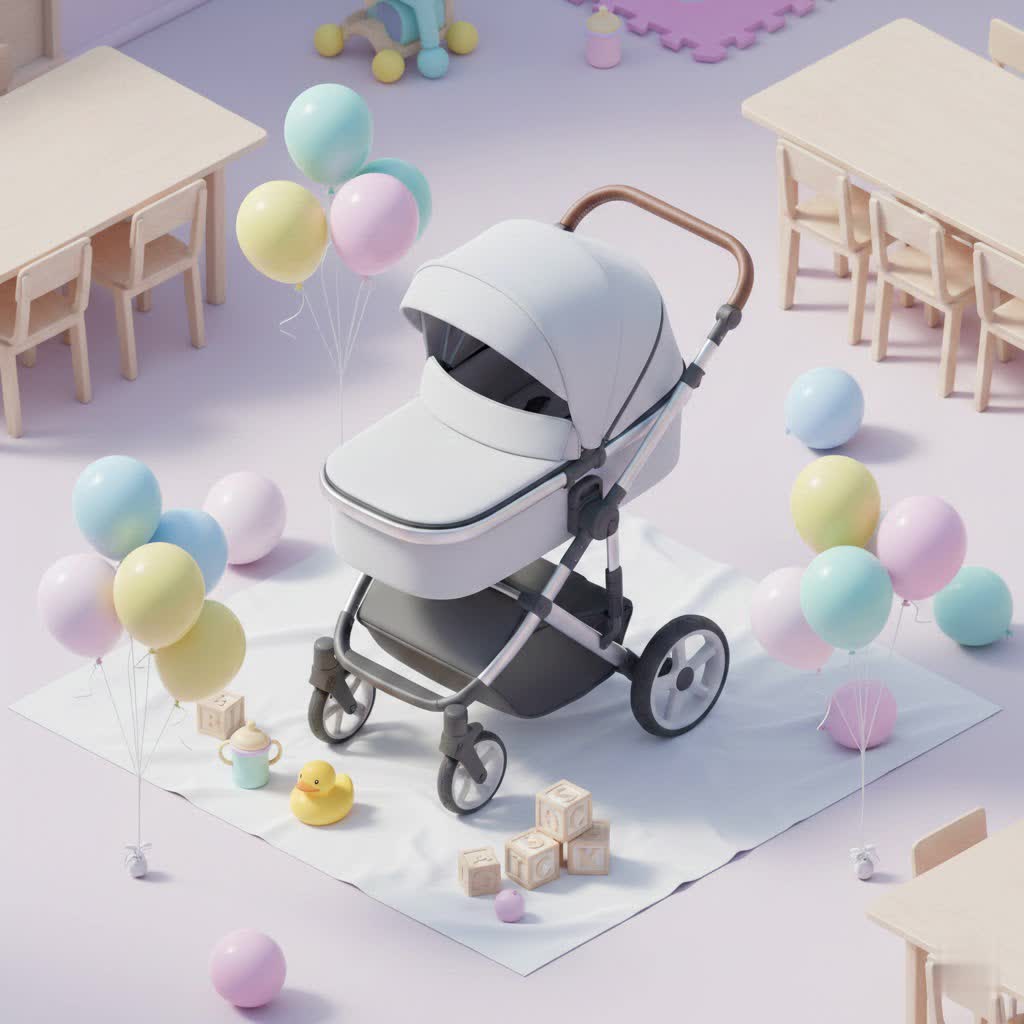
Bringing a newborn home is an exhilarating journey, filled with countless firsts. Among the essential gear you’ll need to navigate this new chapter is a reliable Infant Car Seat Stroller. Often referred to as a travel system, this versatile combination allows you to seamlessly transition your baby from the car to the stroller without disturbing their precious sleep. But with so many options available, how do you choose the one that’s just right for your family?
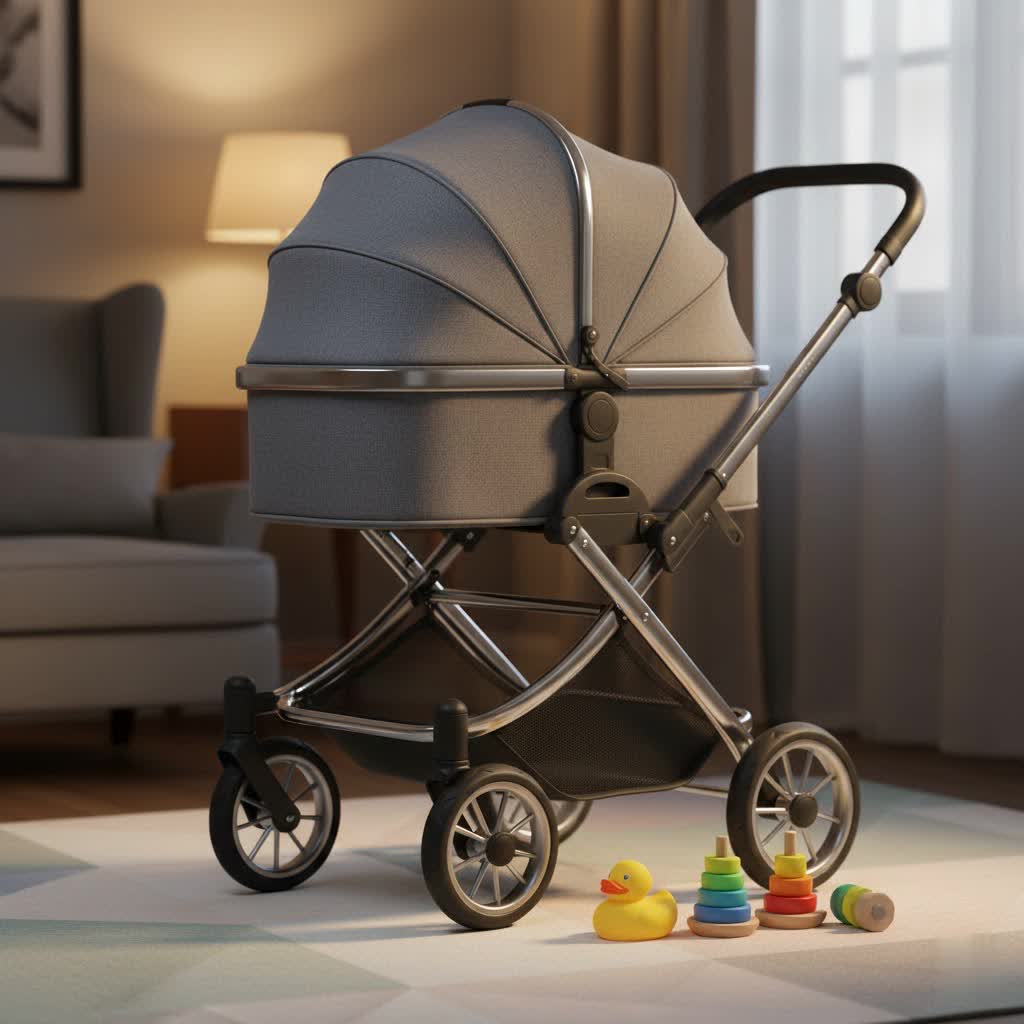
Having witnessed the evolution of baby gear over a decade, I understand the challenges and importance of making informed decisions. This comprehensive guide is designed to cut through the clutter, offering clear insights into understanding, selecting, and maintaining the best infant car seat stroller for your little one. We’ll delve into critical safety features, comfort considerations, and practical aspects, ensuring you feel confident in your choice.
Understanding Infant Car Seat Strollers
An infant car seat stroller, commonly known as a travel system, is a coordinated set typically including an infant car seat, a stay-in-car base, and a compatible stroller. This integrated approach is a game-changer for new parents, offering the ultimate convenience for everyday outings. The primary advantage lies in the ability to detach the car seat from its base in the car and securely click it directly into the stroller frame.
These systems are popular because they simplify life during your baby’s early months, allowing for smooth transitions from vehicle to sidewalk without waking your sleeping infant. They are designed to accommodate newborns from day one, providing a safe and snug environment. While the term “travel system” usually implies an infant car seat and a stroller designed to work together, some parents might opt for a “car seat carrier” – a lightweight frame that only accepts an infant car seat, requiring a separate full-size stroller later on. Modular systems offer even more versatility, often allowing for multiple configurations and the addition of toddler seats or bassinets as your family grows.
Essential Criteria for Choosing Your Infant Car Seat Stroller
Selecting an infant car seat stroller involves careful consideration of several factors beyond just aesthetics. Prioritizing safety, comfort, and practicality will ensure you find a system that not only meets your needs but also provides peace of mind.
Safety First: Protecting Your Little One
|
Our Picks for the Best Baby Stroller in 2026
We may earn a commission when you use one of our links to make a purchase.
|
||
| Num | Product | Action |
|---|---|---|
| 1 | 2-in-1 Baby Stroller - Folding Infant Newborn Pram Stroller with Reversible Seat - Toddler Strollers for 0-36 Months Old Babies |

|
| 2 | 2-in-1 Baby Stroller - Folding Infant Newborn Pram Stroller with Reversible Seat - Toddler Strollers for 0-36 Months Old Babies (Pink) |
|
| 3 | Compact Fold Lightweight Baby Stroller, Convertible Seat Toddler Stroller,Grey |
|
| 4 | Lightweight High-View Baby Stroller, One-Hand Fold & Compact Storage, Convertible Seat, 5-Point Safety Harness, Foldable Infant Stroller, Grey |
|
| 5 | Infant Newborn Baby Stroller - 2 in 1 Convertible Stroller with Reversible Seat - Foldable Aluminum Alloy Pram Anti-Shock Toddler Pushchair Strollers for 0-36 Months Babies (Green) |
|
| 6 | Baby Stroller, 2 in 1 Newborn Stroller Convertible Bassinet for Infant Toddler Pram with Footmuff (Black) |
|
| 7 | 2-in-1 Baby Stroller - Folding Infant Newborn Pram Stroller with Reversible Seat - Toddler Strollers for 0-36 Months Old Babies (Beige) |
|
| 8 | 2 in 1 Baby Stroller, Convertible Bassinet Pushchair for Infants and Newborns 0-36 Months |
|
| 9 | Lightweight High-View Baby Stroller, One-Hand Fold & Compact Storage, Convertible Seat, 5-Point Safety Harness, Foldable Infant Stroller, Black |
|
| 10 | 2-in-1 Baby Stroller - Folding Infant Newborn Pram Stroller with Reversible Seat - Toddler Strollers for 0-36 Months Old Babies (Grey) |
|
Safety is, without a doubt, the paramount concern when choosing any baby gear. Both the infant car seat and the stroller components of your travel system must meet rigorous safety standards. All car seats sold in the U.S. must adhere to Federal Motor Vehicle Safety Standard (FMVSS) 213, while strollers must meet ASTM F833 standards.
For the car seat, look for a secure 5-point harness system that fastens at the shoulders, hips, and between the legs, crucial for distributing crash forces and keeping your baby contained. Advanced safety features like a load leg or an anti-rebound bar can significantly reduce movement in a crash by bracing against the vehicle floor or preventing excessive rebound. A rigid LATCH system often provides a more secure and stable installation compared to standard LATCH connectors. Additionally, features like SensorSafe chest clips offer real-time data to your phone, alerting you if your child is left in the car, if temperatures are unsafe, or if the harness is unbuckled. Always ensure the car seat clicks securely into both its base and the stroller frame, often indicated by an audible “click” or a visual indicator turning green.
Regarding the stroller, a sturdy frame construction is vital for overall stability and durability. An effective brake system is non-negotiable; ensure it’s easy to engage and disengage, reliably locking both wheels to prevent unintended rollaways. A wide wheelbase can enhance stability, particularly on uneven surfaces, and an anti-tip design ensures the stroller remains upright even with weight shifts. Always remember to register your travel system after purchase to receive important safety updates or recall notifications.
“A properly fitting and correctly used car seat is essential for your child’s safety in the event of a crash. Don’t assume anything; always read the manual.”
Crucially, be aware of the “2-hour rule” for infants in car seats. The American Academy of Pediatrics (AAP) recommends that babies should not remain in a car seat for more than two hours per sitting, whether in a vehicle or attached to a stroller. This is due to the risk of positional asphyxia and oxygen desaturation, as a semi-reclined position can compromise a newborn’s airway. For longer naps or extended outings, a travel system with a bassinet attachment that allows for a flat sleeping surface is the safest option.
Comfort for Baby and Parent
A comfortable baby is a happy baby, and a comfortable parent is a less stressed parent. Consider features that enhance comfort for both.
For your baby, look for soft, breathable fabrics and ample padding to cushion their delicate body. An adjustable recline mechanism on the stroller seat is beneficial, especially if it offers a near-flat position suitable for newborns or older infants who nap on the go. A large, adjustable canopy with UPF (Ultraviolet Protection Factor) protection is essential to shield your little one from sun, wind, and light rain. Many canopies include peek-a-boo windows for easy check-ins and ventilation panels to prevent overheating. Furthermore, good shock absorption and suspension systems in the stroller provide a smoother ride, minimizing jostling on various terrains.
Parents’ comfort is equally important. An adjustable handlebar ensures ergonomic pushing, preventing back strain for caregivers of different heights. Easy maneuverability, often aided by 360-degree swivel wheels and efficient steering, makes navigating crowded spaces or tight turns less of a chore. Think about the overall push experience – does it feel light and responsive, or cumbersome?
Practicality and Convenience
Infant car seat strollers are designed for convenience, but specific features can make a significant difference in your daily routine.
- Portability: Look for a system that is lightweight and features a one-handed fold mechanism. This is invaluable when you’re juggling a baby and groceries or trying to load the stroller into a car trunk. Consider the folded dimensions; a compact fold is essential for urban living, small car trunks, or frequent travel.
- Ease of Use: The “click-in” installation of the car seat into the stroller frame should be effortless and intuitive. Check for easily accessible release buttons. Ample storage capacity in the stroller basket is a huge plus for diaper bags, shopping, and other essentials. Look for a basket that’s easy to access, even when the car seat is installed. Additional parent-friendly features like cup holders, phone holders, or snack trays can also add to convenience.
- Durability and Quality: Investing in a high-quality travel system means it will withstand the rigors of daily use and potentially last through multiple children. Examine the materials and construction. Sturdy aluminum frames, reinforced stitching, and durable fabrics are indicators of good quality. Consider the wheel type; air-filled or rubberized foam tires offer better durability and a smoother ride on varied terrain compared to plastic wheels.
Popular Infant Car Seat Stroller Brands and Models
The market offers a wide array of infant car seat stroller combinations, each with unique features catering to different needs and budgets. Here’s a comparison of some highly-rated options and what sets them apart:
| Brand & Model | Key Features | Pros | Cons | Price Range (Approx.) |
|---|---|---|---|---|
| Nuna Swiv + Pipa Urbn | Lightweight, compact fold, 360-degree wheel navigation, luxurious fabric, magnetic buckle. | Extremely lightweight car seat (7 lbs), very compact, one-handed fold. | Premium price, limited storage with car seat, no dual rider options. | $1,000 – $1,300 |
| Graco Modes Pramette | Affordable, pramette mode (converts to flat bassinet), large storage. | Very budget-friendly, smooth ride, generous storage. | Many features require two hands to operate, handlebar not adjustable. | $300 – $500 |
| UPPAbaby Cruz V3 + Mesa V3 | Sleek design, large cargo area, all-terrain pushing, adjustable handlebar. | Easy assembly, high-quality materials, grows with child (rider board compatible). | Higher price point, a bit large when folded. | $1,100 – $1,300 |
| Britax Willow Brook S+ | Lightweight frame, comfortable infant inserts, slim car seat base. | Excellent support for newborns, easy car seat installation, easy to clean fabrics. | Stroller storage basket too small for large diaper bags, best on smooth surfaces. | $500 – $700 |
| Evenflo Shyft DualRide | Car seat converts to stroller, detachable car seat, SensorSafe technology. | All-in-one convenience, detaches from stroller base, taller stance than similar models. | No storage basket, tricky to install as a full unit in vehicle. | $500 – $700 |
| Maxi Cosi Tayla Max | Built-in bassinet mode (stroller seat flips down), MaxShade canopy, cup holder. | Versatile from birth with integrated bassinet, full-coverage canopy, handles varied terrain. | Bulky for travel, heavier car seat. | $700 – $900 |
| Chicco Corso LE ClearTex Modular | Lightweight, compact, smooth suspension, parent-facing/forward-facing options. | Impressively lightweight, easy one-hand fold, good storage options. | Slight wobbling at higher speeds, canopy could offer more coverage. | $600 – $800 |
| Doona Car Seat and Stroller | Car seat transforms directly into a stroller (wheels fold down). | Incredibly convenient for quick transitions, narrow for crowded areas. | Limited lifespan (up to 35 lbs), no storage, handlebar is low, no recline. | $600 – $700 |
Buying Guide: Finding the Perfect Infant Car Seat Stroller
Choosing the ideal infant car seat stroller is a significant decision. By systematically evaluating your needs and preferences, you can narrow down the options and make an informed purchase.
Assess Your Lifestyle and Needs
Start by considering how you envision using your travel system daily.
- Environment: Do you live in an urban area where compact size and superior maneuverability are crucial for navigating crowded streets and public transport? Or do you reside in a suburban or rural setting where sturdy wheels and better suspension for uneven terrains are more important?
- Activity Level: Are you an active parent who plans to jog or hike with your baby? In that case, a jogging stroller travel system with robust suspension and larger, air-filled tires would be a priority. For casual walks and errands, a standard or compact travel system might suffice.
- Travel Frequency: If you travel often by car, plane, or even public transport, a lightweight system with an easy, compact fold is essential. Systems like the Doona, which converts directly from car seat to stroller, can be particularly convenient for these scenarios.
- Family Growth: Do you plan to have more children in the near future? Some modular travel systems can expand to accommodate two or even three children, offering long-term value.
- Baby’s Age: While all infant car seat strollers are for newborns, consider whether you prefer a bassinet mode for safe sleep outside the car or if the convenience of the car seat click-in is sufficient for your needs.
Budgeting for Your Travel System
Infant car seat strollers range widely in price, from a few hundred to over a thousand dollars.
- Initial Cost vs. Long-Term Value: Travel systems often offer cost savings compared to purchasing a car seat and stroller separately. However, infant car seats have strict height and weight limits, meaning your baby will outgrow it within their first year to year and a half. Consider if a convertible car seat (which can be used for several years, from rear-facing to forward-facing) combined with a separate stroller might offer better long-term value, despite potentially higher upfront costs.
- “Must-Have” vs. “Nice-to-Have” Features: Prioritize safety and essential functionality first. Decide which comfort and convenience features are non-negotiable for your lifestyle and which are luxuries you can forego to stay within budget.
Where to Purchase and What to Ask
- Online vs. In-Store: While online shopping offers convenience and often competitive pricing, visiting a physical store allows you to “test drive” strollers. Push them around, practice folding and unfolding, and try clicking the car seat in and out. This hands-on experience can reveal practical issues like maneuverability, weight, and ease of use that specifications alone cannot.
- Warranty and Returns: Always check the manufacturer’s warranty and the retailer’s return policy. This provides a safety net in case of defects or if the product doesn’t meet your expectations.
- Customer Reviews: Read reviews from other parents to gain insights into real-world performance, durability, and any common issues. Look for feedback that aligns with your specific lifestyle needs.
- Manuals and Instructions: Familiarize yourself with the user manuals for both the car seat and stroller. Proper installation and usage are critical for safety. Many brands now offer digital manuals and instructional videos that can be accessed via QR codes.
Maximizing the Lifespan: Usage and Maintenance Tips
Once you’ve chosen your infant car seat stroller, proper usage and maintenance are key to ensuring its longevity and continued safety.
Safe Usage Practices
- Always Harness Your Baby: Ensure your baby is always properly buckled into the 5-point harness, whether in the car seat or the stroller, even for short periods. Straps should be snug against their body without slack.
- Check Locks: Before every stroll, confirm that all wheel and frame locks are engaged when the stroller is parked. Double-check that the car seat is securely clicked into the stroller frame.
- Adhere to Limits: Always follow the manufacturer’s specified weight and height limits for both the car seat and the stroller. Overloading can compromise stability and safety.
- Avoid Overloading Storage: While convenient, don’t hang heavy bags from the handlebar, as this can cause the stroller to tip over. Utilize the under-basket storage within its weight limits.
- Supervise Sleep: Remember the “2-hour rule.” If your baby falls asleep in the car seat while strolling, transfer them to a safe, flat sleeping surface like a crib or bassinet as soon as possible, especially if the stroller does not have a lie-flat bassinet mode.
Cleaning and Care
- Regular Cleaning: Baby gear inevitably gets messy. Regularly wipe down the frame and hard surfaces with a damp cloth and mild soap.
- Fabric Care: Most stroller fabrics and car seat covers are removable and machine-washable. Always check the care label for specific instructions to avoid shrinking or damage. For non-removable fabrics, spot clean as recommended by the manufacturer.
- Wheel Maintenance: Keep wheels clean and free of debris. For air-filled tires, regularly check tire pressure. Lubricate moving parts as needed, following the manufacturer’s guidelines, to maintain smooth operation.
Proper Storage
- Fold and Store: When not in use, fold your stroller and store it in a dry, cool place away from direct sunlight and extreme temperatures.
- Protect from Elements: Avoid leaving your stroller outside, as exposure to weather can weaken materials and components over time, compromising its structural integrity and safety features.
Choosing an infant car seat stroller is a significant decision that impacts your daily life with a newborn. By prioritizing safety, understanding your lifestyle needs, and maintaining your gear, you can select a system that provides convenience, comfort, and peace of mind for years to come. This essential piece of baby equipment will be your trusted companion, making every outing with your little one a little easier.
Frequently Asked Questions
How long can a baby stay in an infant car seat stroller?
Infants should not stay in their car seat for more than two hours at a time, whether in the car or on a stroller frame. This “2-hour rule” helps prevent potential breathing difficulties and positional asphyxia. For longer periods or naps, a bassinet attachment or a flat sleeping surface is recommended.
What are the essential safety certifications for infant car seat strollers?
In the U.S., infant car seats must meet FMVSS 213 safety standards, and strollers must meet ASTM F833 standards. These certifications ensure the products have undergone rigorous testing for structural integrity and safety features.
Are infant car seat strollers worth the investment?
For many parents, the convenience of a travel system is invaluable, allowing seamless transitions from car to stroller without disturbing a sleeping baby. While infant car seats have limited use (typically up to 1-1.5 years), the integrated system simplifies outings during the crucial newborn phase, making it a worthwhile investment for busy families.
Can I use any infant car seat with any stroller?
No, car seat and stroller compatibility is crucial. Travel systems are designed to work together seamlessly. If purchasing separately, you’ll need specific adapters to attach an infant car seat to a non-matching stroller frame. Always verify compatibility before buying.
What is positional asphyxia, and how do infant car seat strollers relate to it?
Positional asphyxia is a serious concern for infants, especially newborns, where their breathing can be restricted due to an unsafe head or body position, often when slumped in a semi-reclined seat. Infant car seats hold babies in a semi-upright position, which is safe for travel but not ideal for extended periods of sleep outside of a moving vehicle. This is why the “2-hour rule” is so important to follow.