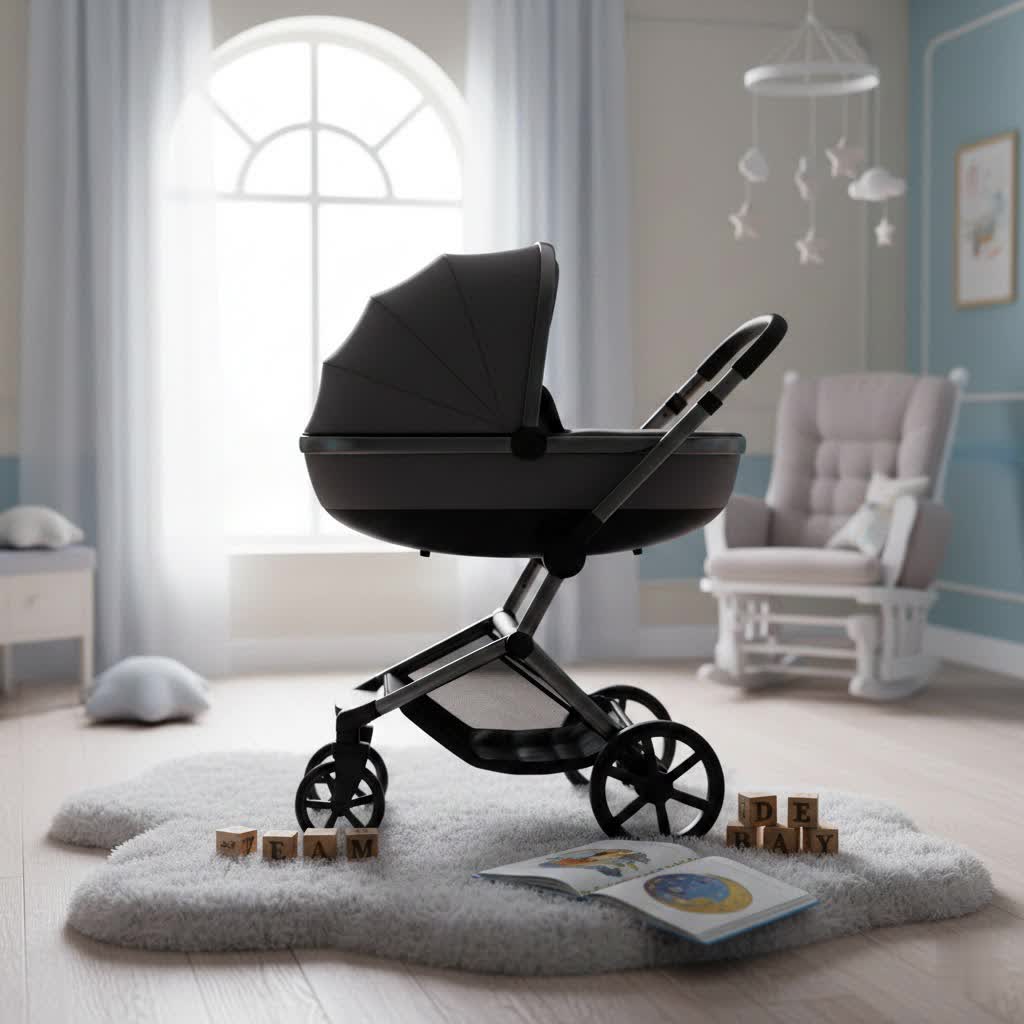
Welcoming a new baby into your life is an exciting journey, filled with joy and a fair share of new decisions. Among the most significant choices for new parents is selecting the right baby gear, and a car seat stroller, often known as a travel system, stands out as an essential item. With countless options available, finding the ideal combination of safety, comfort, and convenience can feel overwhelming. This comprehensive guide is designed to cut through the noise, offering insights and practical advice to help you confidently choose the car seat stroller that best fits your family’s unique needs.
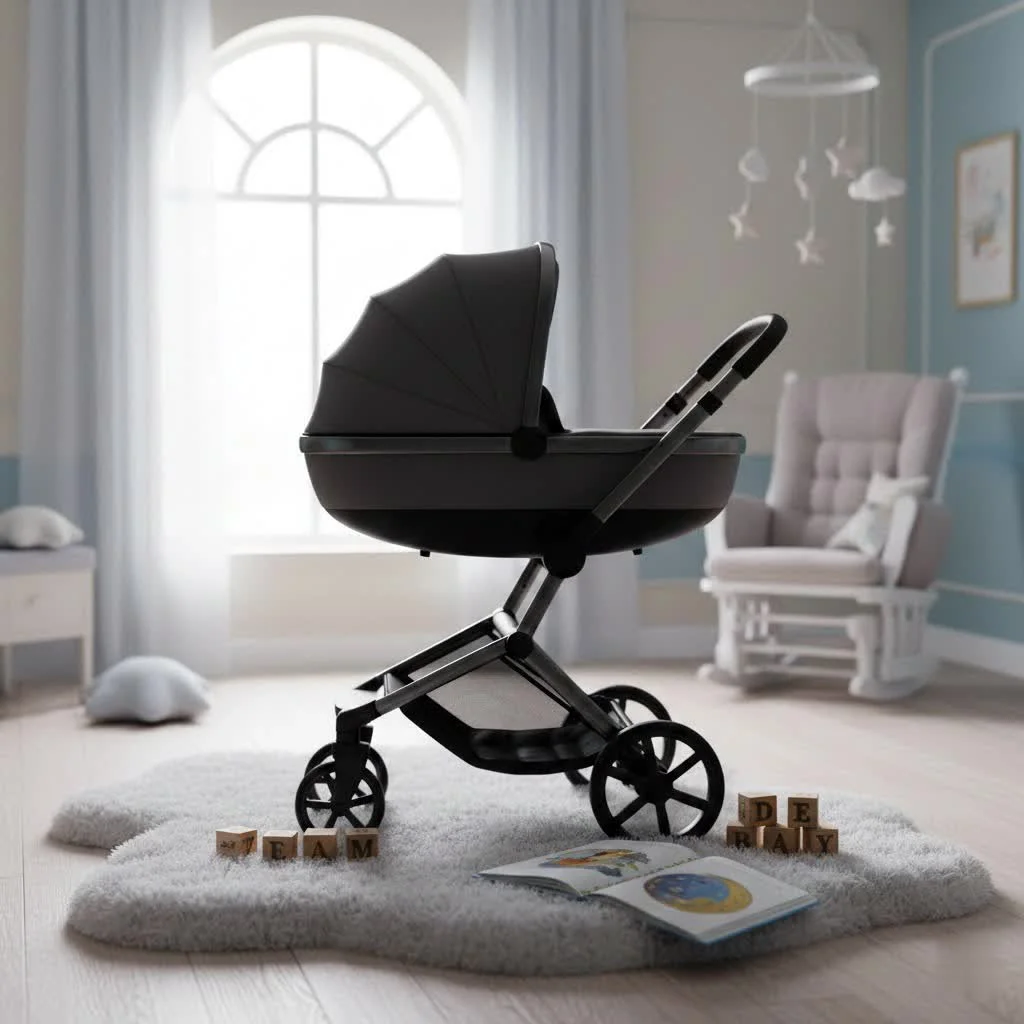
Overview of Car Seat Strollers
A car seat stroller, or travel system, is a revolutionary solution designed to simplify life for parents on the go. At its core, a travel system typically includes an infant car seat, a compatible car seat base, and a stroller frame or full-size stroller that the car seat securely attaches to. This seamless integration allows you to move your sleeping baby from the car to the stroller and back again without disruption, a major convenience for busy parents. For compare top baby stroller on this site.
The importance of a car seat stroller lies in its versatility and efficiency. It eliminates the need to buy and manage separate pieces of equipment, offering a cohesive unit that evolves with your child. These systems are typically designed for use from infancy through toddlerhood, providing long-term value. While the infant car seat component is used for the first year or so, the stroller often converts into a standalone model for older children, maximizing its utility.
There are several types of car seat strollers on the market, each catering to different lifestyles. Some are lightweight frame strollers designed solely to hold an infant car seat, ideal for quick errands. Others are more robust full-size travel systems that offer a traditional stroller seat alongside car seat compatibility. Then there are innovative all-in-one designs, like those where the car seat itself transforms into a stroller, offering unparalleled compactness for urban environments or frequent travelers.
Crucial Criteria When Choosing a Car Seat Stroller
Selecting a car seat stroller involves careful consideration of several factors. Focusing on safety, comfort, practicality, and durability will ensure you make an informed decision that benefits both you and your little one.
Safety
Safety is paramount when it comes to any baby gear, especially car seats and strollers. All car seats sold in the United States must meet federal safety standards, but some brands go above and beyond with additional testing.
“Car seat safety is the biggest priority. Ensure all safety features are easy to use. An improperly installed car seat may not work in a crash or a sudden stop.” – Emily Silver, NP-C, IBCLC, Co-founder of Newborn and Parenting Support
Key safety features to look for include:
- Five-Point Harness: This is the gold standard for securing your child, with straps over the shoulders, hips, and between the legs to distribute impact forces evenly.
- Sturdy Braking System: Look for brakes that are easy to engage, have clear visual indicators that they are locked, and ideally offer one-touch functionality.
- Stability: A wide wheelbase and an anti-tip design help prevent the stroller from tipping, especially on uneven terrain or if weight shifts suddenly.
- Advanced Car Seat Features:
- Load Leg and Anti-Rebound Bar: These components reduce movement and absorb impact forces in a crash.
- Rigid LATCH System: Provides a more secure and stable installation of the car seat base in your vehicle compared to standard LATCH connectors.
- SensorSafe Technology: Some advanced car seats include technology that alerts caregivers if a child is still in the vehicle, the chest clip is unbuckled, or the temperature is unsafe.
- Proper Installation: Always read the manual thoroughly. Features like level indicators on car seat bases and audible “click” sounds when the car seat attaches to the stroller or base are vital confirmations of correct installation.
Comfort
|
Our Picks for the Best Baby Stroller in 2026
As an Amazon Associate I earn from qualifying purchases.
|
||
| Num | Product | Action |
|---|---|---|
| 1 | Lightweight High-View Baby Stroller, One-Hand Fold & Compact Storage, Convertible Seat, 5-Point Safety Harness, Foldable Infant Stroller, Black |

|
| 2 | Baby Stroller, 2 in 1 Newborn Stroller Convertible Bassinet for Infant Toddler Pram with Footmuff (Black) |
|
| 3 | 2 in 1 Baby Stroller, Convertible Bassinet Pushchair for Infants and Newborns 0-36 Months |
|
| 4 | Lightweight High-View Baby Stroller, One-Hand Fold & Compact Storage, Convertible Seat, 5-Point Safety Harness, Foldable Infant Stroller, Grey |
|
| 5 | Infant Newborn Baby Stroller - 2 in 1 Convertible Stroller with Reversible Seat - Foldable Aluminum Alloy Pram Anti-Shock Toddler Pushchair Strollers for 0-36 Months Babies (Green) |
|
| 6 | 2-in-1 Baby Stroller - Folding Infant Newborn Pram Stroller with Reversible Seat - Toddler Strollers for 0-36 Months Old Babies |
|
| 7 | 2-in-1 Baby Stroller - Folding Infant Newborn Pram Stroller with Reversible Seat - Toddler Strollers for 0-36 Months Old Babies (Grey) |
|
| 8 | 2-in-1 Baby Stroller - Folding Infant Newborn Pram Stroller with Reversible Seat - Toddler Strollers for 0-36 Months Old Babies (Beige) |
|
| 9 | 2-in-1 Baby Stroller - Folding Infant Newborn Pram Stroller with Reversible Seat - Toddler Strollers for 0-36 Months Old Babies (Pink) |
|
| 10 | Compact Fold Lightweight Baby Stroller, Convertible Seat Toddler Stroller,Grey |
|
A comfortable baby is a happy baby, and comfortable parents make for happier outings. Consider features that enhance comfort for both:
- Materials: Look for soft, breathable, and easily washable fabrics, especially for the seat padding.
- Adjustable Recline: A multi-position recline for both the car seat (if applicable) and the stroller seat ensures your baby can rest comfortably, and for newborns, a flatter recline helps prevent positional asphyxia.
- Suspension: All-wheel suspension and shock absorbers on the stroller provide a smoother ride, minimizing jostling on various terrains.
- Canopy: An expandable canopy with UPF protection and ventilation panels shields your baby from sun, wind, and allows for airflow on warm days.
Practicality (Ease of Use)
The best car seat stroller simplifies your daily routine, not complicates it. Practicality focuses on how easily you can use the system in real-world scenarios.
- Folding Mechanism: A true one-handed fold and a self-standing fold are highly desirable features, making it easier to collapse and store the stroller, especially when holding your baby.
- Weight and Size: A lightweight car seat is easier to carry, and a compact folded stroller fits better into car trunks and tight spaces.
- Maneuverability: Look for a stroller that is easy to push and steer, even with one hand, and handles various terrains (sidewalks, grass, crowded stores) smoothly. Features like 360-degree swivel wheels can significantly improve maneuverability.
- Car Seat Attachment: An intuitive click-in system that requires minimal effort to attach and detach the car seat from the stroller or base is a huge time-saver. Some systems require adapters, so check if these are simple to use.
- Storage: A spacious and easily accessible storage basket underneath is crucial for diaper bags, groceries, and other essentials. Parent consoles, cup holders, and snack trays add to the convenience.
- Adjustable Handlebar: An adjustable handlebar height ensures comfortable pushing for caregivers of different heights, preventing back strain.
Durability and Quality
Investing in a durable car seat stroller means it will withstand daily wear and tear and last for years to come.
- Frame Material: Aluminum or carbon fiber frames are typically sturdy yet lightweight.
- Wheel Types: Rubber tires, foam-filled tires, or pneumatic (air-filled) tires offer varying degrees of durability and ride smoothness. Larger wheels often provide better maneuverability on rougher surfaces.
- Fabric Quality: High-quality, robust fabrics will hold up better to spills and frequent cleaning.
- Longevity: Consider if the stroller component can be used independently once your child outgrows the infant car seat, extending the product’s lifespan.
Comparing Popular Car Seat Stroller Types
The market offers a range of car seat stroller types, each with distinct advantages and disadvantages. Understanding these differences can help you narrow down your choices.
- Frame Strollers: These are essentially lightweight frames designed specifically to hold an infant car seat. They are exceptionally light and compact, making them excellent for quick trips and easy transport. However, their lifespan is limited to the period your baby uses an infant car seat (typically 6-9 months), after which you’ll need another stroller. They often lack advanced features found in full-size models.
- Full-Size Travel Systems: These systems pair an infant car seat with a more robust, feature-rich stroller that can also function as a standalone stroller for toddlers. They offer greater versatility, better suspension, and more storage. While providing a longer lifespan and more comfort features, they tend to be heavier and bulkier when folded.
- All-in-One Car Seat & Stroller (e.g., Doona): This innovative design integrates the stroller wheels directly into the infant car seat, allowing for an incredibly fast transition from car to stroll mode. They are exceptionally convenient for urban living, frequent taxi rides, or air travel due to their compact nature. The main drawback is their short lifespan, as they are only usable while your child fits the infant car seat (up to 35 lbs or 32 inches), meaning you’ll need a separate toddler stroller later. They often lack storage space.
Buying Guide: Choosing the Right Car Seat Stroller
Making the final decision requires matching your family’s unique lifestyle and priorities with the features and benefits offered by different car seat strollers.
Determine Your Lifestyle and Needs
Start by assessing how you plan to use the travel system most often:
- Daily Use: Will you primarily use it for quick errands, long walks, or adventures? City dwellers might prioritize compact folds and maneuverability in tight spaces, while suburban families might need more robust wheels for various terrains.
- Travel: If you fly or travel frequently, a lightweight, compact system that can be easily gate-checked or maneuvered through airports will be a priority.
- Exercise: For active parents who jog or hike, dedicated jogging travel systems with superior suspension and stability are essential, though these may be less ideal for everyday errands.
- Family Growth: If you plan for more children, consider modular systems that can expand to accommodate a second seat or a rider board.
- Vehicle Compatibility: Crucially, ensure the car seat fits properly in your vehicle, and the folded stroller fits comfortably in your trunk. Always test this before purchasing if possible.
Budget Considerations
Car seat strollers vary significantly in price, from budget-friendly options to high-end luxury systems.
- Entry-Level: Offers basic functionality and safety, often with fewer bells and whistles.
- Mid-Range: Strikes a balance between features, quality, and price.
- Premium/Luxury: Typically boasts superior materials, advanced features, exceptional design, and often includes more accessories.
Determine your budget early on, but remember that a higher price doesn’t always guarantee the best fit for your specific needs. Focus on value—a system that meets your core requirements and offers good quality for its price point.
Where to Buy
You can purchase car seat strollers both online and in physical stores.
- In-Store Shopping: If possible, visit a store to test drive different models. Push them around, practice folding them, attach and detach the car seat, and check the handlebar height. This hands-on experience is invaluable for understanding the “feel” and usability of a system.
- Online Shopping: Offers a wider selection and competitive pricing. Always read reviews from other parents and check product specifications carefully. Ensure the retailer has a good return policy.
- Reputable Retailers: Choose well-known baby stores or authorized dealers to ensure you receive genuine products with valid warranties.
Reputable Car Seat Stroller Brands
Several brands consistently receive high praise for their car seat strollers, each with unique strengths:
- Nuna: Known for its sleek design, premium materials, and lightweight car seats and strollers that prioritize convenience and ease of use, especially for city families.
- Graco: Offers a wide range of travel systems, often lauded for their value, versatility, and user-friendly features like one-hand folds and ample storage.
- UPPAbaby: A popular choice for high-quality, full-size strollers with excellent maneuverability and the ability to grow with your family, often compatible with their own highly-rated infant car seats.
- Chicco: Recognized for combining safety with practicality, providing easy car seat installation and robust stroller features at competitive price points.
- Doona: Stands out with its unique car seat that transforms into a compact stroller, making it a game-changer for travel and urban environments where space is a premium.
- Britax: Focuses on advanced safety features and comfortable designs, often integrating seamlessly with their own line of infant car seats.
- Evenflo: Known for offering budget-friendly yet versatile travel systems, often with multi-child configurations and innovative safety technologies like SensorSafe.
- Baby Jogger: Favored by active families for their durable and agile strollers, including jogging models that offer car seat compatibility for on-the-go parents.
Tips for Using and Maintaining Your Car Seat Stroller
Once you’ve chosen your car seat stroller, proper use and maintenance are key to ensuring its longevity and your baby’s safety.
- Read the Manuals: Always read both the car seat and stroller manuals thoroughly. They contain critical information on installation, usage limits, and safety warnings specific to your model. Many products also offer QR codes for digital manuals or instructional videos.
- Proper Harnessing: Ensure your baby is always properly buckled into the five-point harness, whether in the car or stroller. The straps should be snug against their body, and the chest clip should be at armpit level.
- Avoid Prolonged Naps in Car Seats: While it’s okay for babies to nap in a properly installed car seat for short periods, extended sleep in a car seat outside of the vehicle is not recommended by pediatricians due to the risk of positional asphyxia. If your baby needs to nap during a stroll, use a travel system with a bassinet attachment or transfer them to a safe sleeping surface.
- Register Your Product: Register your car seat and stroller with the manufacturer. This ensures you receive direct notifications about any safety updates, recalls, or other important product information. You can also check the Consumer Product Safety Commission’s (CPSC) website for recall notices.
- Regular Cleaning and Care: Check the manufacturer’s instructions for cleaning fabrics, frames, and wheels. Many fabrics are removable and machine washable, making cleanup easier. Regular cleaning not only keeps your system looking good but also prevents buildup that could affect functionality.
- Perform Routine Safety Checks: Periodically inspect brakes, wheels, harnesses, and all connection points for wear and tear, ensuring everything is in good working order. Address any issues promptly.
Conclusion
Choosing the right car seat stroller is a significant decision for any new parent, impacting both your daily convenience and your baby’s safety. By prioritizing key factors such as robust safety features, optimal comfort for your child, ease of use for caregivers, and overall product durability, you can navigate the vast market with confidence. Whether you opt for a compact all-in-one system for city life or a versatile full-size travel system for all your family adventures, the perfect car seat stroller is one that seamlessly integrates into your lifestyle, providing peace of mind and making every outing a little easier.
What feature do you believe is the most underrated when choosing a car seat stroller?
Frequently Asked Questions
What is the primary benefit of a car seat stroller combo?
The main advantage of a car seat stroller combo, or travel system, is the seamless transition it offers. You can easily move your sleeping infant from the car to the stroller without unbuckling them, minimizing disturbance and saving time and effort during daily outings.
How long can I use a car seat stroller system?
The infant car seat component typically lasts until your baby reaches specific weight or height limits, usually around 1 year old or up to 30-35 pounds and 32 inches. However, many travel system strollers can then be used as standalone toddler strollers, extending their usability for several years, often up to 50 pounds or more.
Are all infant car seats compatible with all strollers?
No, not all infant car seats are universally compatible with all strollers. Many travel systems come with a matching car seat and stroller from the same brand. If you want to mix and match brands, you will likely need to purchase a specific adapter to ensure a safe and secure connection between the car seat and the stroller frame. Always verify compatibility.
How important is the weight of a car seat stroller?
The weight of a car seat stroller is quite important, especially for caregivers who may need to lift it frequently into and out of a car trunk or carry it up stairs. A lighter system enhances convenience and reduces physical strain, making daily tasks easier, particularly in the postpartum period when lifting restrictions may apply.
Can I use a car seat stroller for jogging?
While some car seat strollers are designed as “jogging travel systems,” most standard travel systems are not suitable for jogging or off-road use, especially with an infant. Dedicated jogging strollers have specialized suspension and larger, air-filled tires to provide a smooth ride at higher speeds and over varied terrain, which is essential for your baby’s safety and comfort during such activities.
What is a “five-point harness” and why is it important?
A five-point harness is a safety restraint system in car seats and strollers that includes two straps over the shoulders, two over the hips, and one between the legs, all connecting to a central buckle. This design distributes impact forces evenly across the child’s strongest points in the event of a sudden stop or crash, significantly reducing the risk of injury by keeping the child securely in place.
Should I prioritize a specific brand when buying?
While brand reputation can indicate quality and safety, it’s more important to prioritize a car seat stroller that meets your specific safety, comfort, and lifestyle needs. Researching reviews, checking safety ratings, and, if possible, testing models in person will help you find the best fit, regardless of brand name.
Get our weekly buyer guide
Practical specs, not advice. Unsubscribe anytime.
