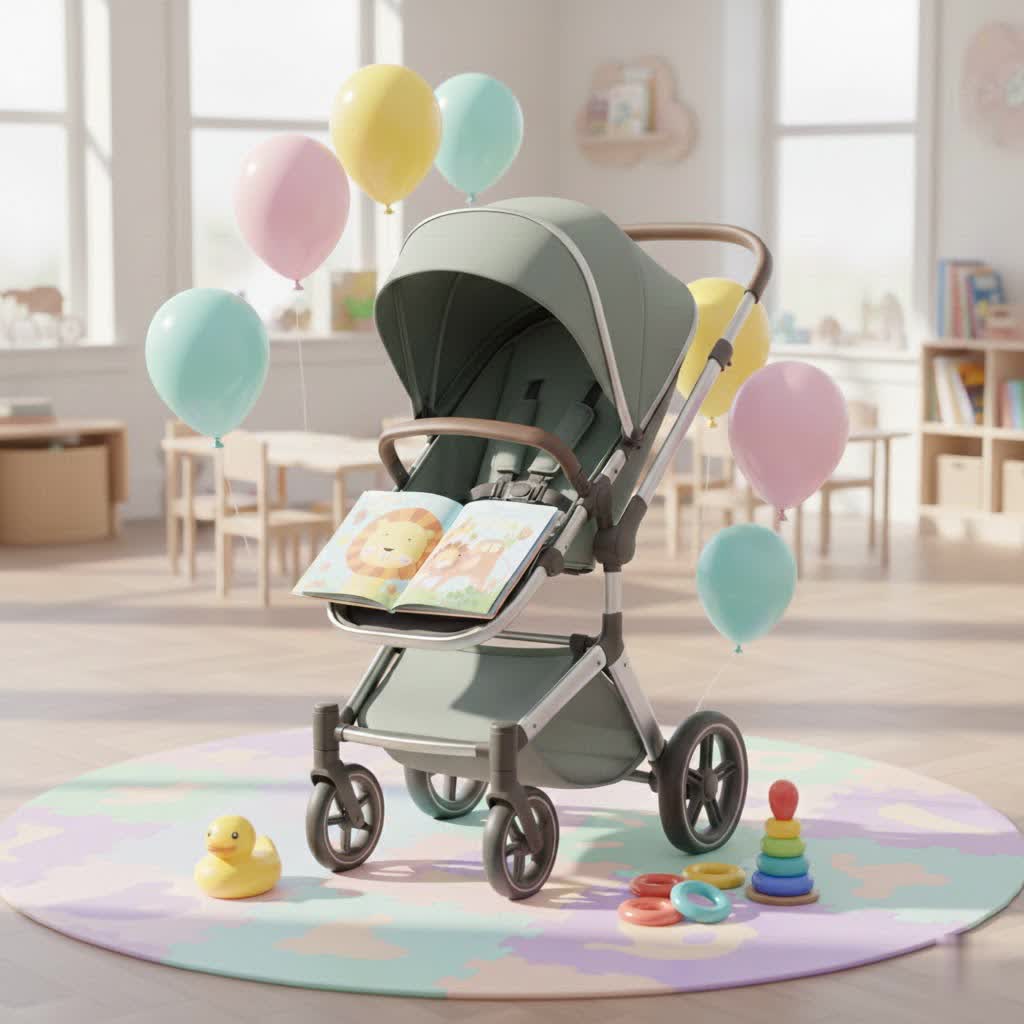
Welcoming a new baby into your life is an unparalleled joy, but it often comes with a bewildering array of essential gear. Among the most crucial items for any new parent is a reliable infant car seat and stroller combination. These integrated systems, commonly known as travel systems, are designed to simplify your life by offering seamless transitions from car to curb. This comprehensive guide will equip you with the knowledge to make an informed decision, ensuring both your baby’s safety and your peace of mind on every journey.
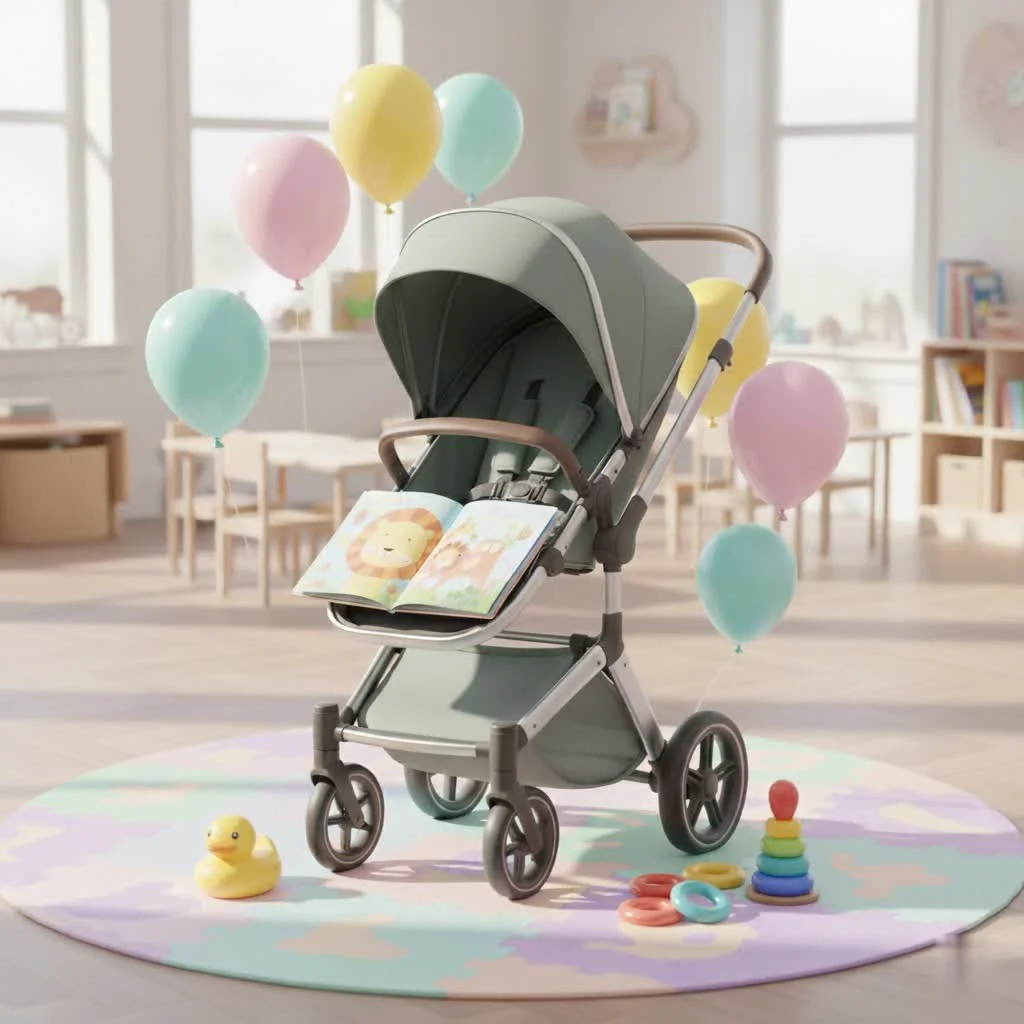
Understanding the Infant Car Seat and Stroller System
An infant car seat and stroller system, often referred to as a “travel system,” combines an infant car seat, a car seat base for your vehicle, and a stroller, all engineered to work together harmoniously. The hallmark of these systems is the ability to easily transfer your baby from the car to the stroller without disturbing their sleep, simply by clicking the car seat into the stroller frame. This seamless integration makes outings, errands, and travel significantly more convenient for parents. For baby stroller buying guides on this site.
The primary benefit lies in their unparalleled convenience during the crucial infant stage. Instead of unbuckling and re-buckling your baby, you can move them directly from the car to the stroller, preserving precious naptime. Travel systems are exclusively designed for rear-facing infant car seats, which are suitable from birth until your child outgrows the seat’s height or weight limits, typically within the first 12 to 18 months. While convertible car seats offer longer-term use, they are generally not designed to attach to strollers, making travel systems a go-to for newborn mobility.
Essential Criteria for Choosing Your Infant Car Seat and Stroller
Selecting the perfect infant car seat and stroller requires careful consideration of several key factors that directly impact safety, comfort, and practicality for your family’s unique lifestyle.
Safety First: Protecting Your Little One
Nothing is more paramount than your baby’s safety. When choosing an infant car seat and stroller, it’s vital to ensure they meet stringent safety standards. Car seats in the United States must comply with FMVSS 213 (Federal Motor Vehicle Safety Standard 213), while strollers adhere to ASTM F833 standards. These regulations ensure products undergo rigorous crash-testing and structural integrity evaluations.
Look for a 5-point harness system in both the car seat and stroller, as this provides the most secure restraint. Features like energy-absorbing foam, side-impact protection, and anti-rebound bars on car seat bases offer additional layers of protection. Proper installation is critical: always ensure the car seat is installed rear-facing in the back seat, and the harness is snug with the chest clip at armpit level. Never place a rear-facing infant car seat in the front seat if there is an active passenger airbag, as this can cause fatal injury. It’s also important to remember that infant car seats are not for extended sleep; babies should be moved to a flat surface for long naps.
Comfort for Your Baby and You
|
Our Picks for the Best Baby Stroller in 2026
As an Amazon Associate I earn from qualifying purchases.
|
||
| Num | Product | Action |
|---|---|---|
| 1 | 2 in 1 Baby Stroller, Convertible Bassinet Pushchair for Infants and Newborns 0-36 Months |

|
| 2 | Infant Newborn Baby Stroller - 2 in 1 Convertible Stroller with Reversible Seat - Foldable Aluminum Alloy Pram Anti-Shock Toddler Pushchair Strollers for 0-36 Months Babies (Green) |
|
| 3 | 2-in-1 Baby Stroller - Folding Infant Newborn Pram Stroller with Reversible Seat - Toddler Strollers for 0-36 Months Old Babies (Pink) |
|
| 4 | 2-in-1 Baby Stroller - Folding Infant Newborn Pram Stroller with Reversible Seat - Toddler Strollers for 0-36 Months Old Babies (Beige) |
|
| 5 | Baby Stroller, 2 in 1 Newborn Stroller Convertible Bassinet for Infant Toddler Pram with Footmuff (Black) |
|
| 6 | Lightweight High-View Baby Stroller, One-Hand Fold & Compact Storage, Convertible Seat, 5-Point Safety Harness, Foldable Infant Stroller, Grey |
|
| 7 | Lightweight High-View Baby Stroller, One-Hand Fold & Compact Storage, Convertible Seat, 5-Point Safety Harness, Foldable Infant Stroller, Black |
|
| 8 | Compact Fold Lightweight Baby Stroller, Convertible Seat Toddler Stroller,Grey |
|
| 9 | 2-in-1 Baby Stroller - Folding Infant Newborn Pram Stroller with Reversible Seat - Toddler Strollers for 0-36 Months Old Babies (Grey) |
|
| 10 | 2-in-1 Baby Stroller - Folding Infant Newborn Pram Stroller with Reversible Seat - Toddler Strollers for 0-36 Months Old Babies |
|
A comfortable baby is a happy baby, and a comfortable parent makes for smoother outings. For your little one, consider the car seat’s padding, fabric breathability, and the stroller’s seat recline options. Many strollers offer multiple recline positions, including a near-flat recline suitable for newborns when used with the car seat. A large, adjustable canopy provides essential protection from sun, wind, and light.
Parental comfort features are equally important. Look for adjustable handlebars to accommodate different heights, ensuring comfortable pushing. A good suspension system and durable, often air-filled, wheels on the stroller will provide a smoother ride over varied terrains, reducing jostling for your baby and making it easier for you to maneuver.
Convenience and Ease of Use
The primary appeal of an infant car seat and stroller system is convenience. A “click-and-go” design allows the infant car seat to attach and detach from the stroller frame with minimal effort, often with one hand. This is invaluable when you’re juggling a baby, diaper bag, and other essentials.
Consider the stroller’s foldability: can it be folded quickly and compactly, ideally with one hand, for easy storage in your car trunk or home? The overall weight and size of the system are also crucial for portability, especially if you live in an urban environment or frequently travel. Ample storage baskets, cup holders, and parent trays add to the system’s practicality, keeping essentials within reach.
Compatibility is another key aspect. While many brands offer proprietary travel systems, some strollers are compatible with multiple car seat brands via adapters. Always check manufacturer recommendations to ensure safe and approved combinations.
Durability and Quality for Lasting Value
An infant car seat and stroller system is an investment, and you want it to last. The quality of materials and construction directly impacts durability. Look for sturdy frame materials, such as aluminum, which offer a good balance of strength and lightness. Wheel quality is also important; larger, all-terrain wheels with good tread and suspension are excellent for varied surfaces, while smaller, swivel wheels are ideal for smooth urban environments.
Consider the system’s maximum weight capacity for both the car seat and the stroller, as this indicates how long you can use the products as your child grows. High-quality fabrics and components will also stand up better to daily wear and tear, ensuring the system remains functional and looks good for its entire lifespan, or even for future siblings.
Popular Types of Infant Car Seat and Stroller Systems
The market offers a diverse range of infant car seat and stroller systems, each catering to different parental needs and lifestyles. Understanding these types can help you pinpoint the best fit for your family.
Travel System Varieties
- Full-Size Travel Systems: These systems typically feature a robust stroller with a large storage basket, comfortable seating, and often additional features like an adjustable handle and ample canopy. They offer a smooth ride and are designed for everyday use, from quick errands to longer strolls in the park.
- Compact and Lightweight Travel Systems: Ideal for urban dwellers, frequent travelers, or those with limited storage space, these systems prioritize portability. They often feature a smaller footprint, lighter frames, and easy, one-handed folds, making them simple to navigate through crowded spaces and transport.
- Jogging Travel Systems: For active parents who want to exercise with their baby, jogging travel systems include a rugged, three-wheeled stroller with large, air-filled tires and superior suspension. These are designed to handle varied terrains and higher speeds. It’s crucial to note that pediatricians and stroller manufacturers recommend waiting until a baby is at least 6-12 months old, can sit upright unsupported, and has excellent head and neck control before using a jogging stroller in a jogging capacity.
- Modular Travel Systems: These systems offer greater versatility, often allowing the stroller seat to be configured in multiple ways – parent-facing or forward-facing. They might also include a bassinet mode or the option to add a second seat, adapting as your family grows.
- Car Seat and Stroller in One (e.g., Doona): A unique innovation, systems like the Doona transform directly from an infant car seat into a compact stroller with integrated wheels. This is particularly popular for city living or frequent travel due to its extreme convenience and space-saving design.
Navigating the Market: A Buying Guide for Infant Car Seat and Strollers
Choosing the right infant car seat and stroller is a personal decision that should align with your family’s specific needs and circumstances. Consider these steps to guide your purchase.
Assess Your Family’s Lifestyle
Begin by evaluating your daily routines and future plans. Do you live in a bustling city with frequent public transportation use, requiring a lightweight and compact system? Or do you reside in the suburbs, needing a more robust stroller for neighborhood walks and park visits? Are you an avid runner who plans to bring your baby along, necessitating a jogging stroller? Will you travel frequently, making ease of folding and airline compatibility a priority? Consider factors like the size of your car trunk and the amount of storage space you have at home. Your lifestyle will heavily influence the ideal type and features of your infant car seat and stroller.
Set Your Budget Realistically
Infant car seat and stroller systems vary significantly in price, ranging from budget-friendly options to high-end luxury models. While travel systems can offer initial cost savings compared to purchasing items separately, remember that an infant car seat has a shorter lifespan, typically used for the first year to year and a half. Factor in potential future investments, such as a convertible car seat or a larger toddler stroller. Some parents opt for a more expensive, durable stroller frame that can adapt to a toddler seat later, combining it with a moderately priced infant car seat. Decide what features are “must-haves” versus “nice-to-haves” to align with your financial plan.
Where to Purchase and What to Look For
You can purchase infant car seat and stroller systems both online and in brick-and-mortar stores. Shopping in person allows you to physically try out the system – push it around, practice folding it, attach and detach the car seat, and even test its maneuverability in aisles. This hands-on experience can reveal practical considerations you might overlook online.
When shopping, look for reputable retailers that offer good warranties, clear return policies, and knowledgeable staff. Always read product reviews from other parents, paying attention to common pros and cons. While some brands offer integrated systems, many provide adapters to combine different brands of car seats and strollers; ensure any combination you choose is approved by both manufacturers for safety and compatibility.
Top Brands and Noteworthy Models
The market is rich with reputable brands offering excellent infant car seat and stroller systems. Here are a few widely recognized names and types of products they offer:
- Graco: Known for offering a wide range of affordable and feature-rich travel systems like the SnugRide and Modes series, providing good value and reliability.
- Chicco: Popular for easy-to-install infant car seats like the KeyFit, which integrate seamlessly with their Bravo and Corso strollers, offering a blend of safety and convenience.
- Nuna: A premium brand favored for its lightweight and stylish PIPA infant car seats, which are compatible with their elegant strollers such as the MIXX and TRVL.
- UPPAbaby: Offers sophisticated and versatile systems like the Vista (convertible to double/triple) and Cruz (full-size), known for high-quality construction and a smooth ride, often paired with their MESA infant car seat.
- Evenflo: Provides innovative and budget-friendly options like the Pivot Xpand and Shyft Intuiti, often featuring modular designs for adaptability.
- Britax: Known for strong safety features in their car seats, such as the Willow, which can be part of their integrated travel systems.
- Doona: Stands out with its unique car seat and stroller combination, transforming from a car seat to a compact stroller in seconds, perfect for travel and city life.
- Joie: Offers a range of compact and full-feature travel systems designed for ease of use and seamless transitions.
Each brand often brings its own strengths, whether it’s budget-friendliness, luxurious features, or innovative designs. Exploring their offerings allows you to find a system that perfectly matches your family’s needs and aesthetic preferences.
Maximizing Your Infant Car Seat and Stroller’s Lifespan
Once you’ve chosen your infant car seat and stroller, proper usage and maintenance are key to ensuring its safety, functionality, and longevity.
Always adhere to the manufacturer’s weight and height limits for both the car seat and stroller to guarantee your child’s safety and prevent damage to the equipment. Regularly check the harness system to ensure it is correctly positioned and snug against your baby, preventing slips or excessive movement. Remember that infant car seats are designed for travel, not extended sleep, so transfer your baby to a crib or bassinet for long naps. For jogging strollers, wait until your baby meets the recommended age and developmental milestones before using it for higher-impact activities.
Maintaining your system involves routine cleaning and inspection. Wipe down fabrics and frames regularly with mild soap and water, and refer to the manufacturer’s instructions for removable, machine-washable components. Periodically check all moving parts, such as wheels, brakes, and folding mechanisms, to ensure they operate smoothly and are free from debris or wear. Store your car seat and stroller indoors when not in use to protect them from extreme weather conditions, which can degrade materials over time. By following these simple tips, your infant car seat and stroller will serve your family reliably for years to come.
Conclusion
Choosing the right infant car seat and stroller system is a significant decision for any new parent, impacting everything from your baby’s safety and comfort to your daily convenience. By prioritizing rigorous safety standards, understanding the importance of comfort features, assessing ease of use, and considering overall durability, you can navigate the vast market with confidence. Whether you opt for a compact model for urban adventures or a robust system for varied terrains, the perfect travel companion awaits to simplify your journey through early parenthood.
What feature do you believe is the most underrated when selecting an infant car seat and stroller?
Frequently Asked Questions
How long can an infant typically use a travel system?
Infant car seats, which are part of travel systems, are designed for newborns and can typically be used until your baby reaches their car seat’s maximum height or weight limit, usually around 12 to 18 months of age. After this, your child will transition to a convertible car seat.
Can I use a different brand car seat with my stroller?
Yes, in many cases, you can use an infant car seat from one brand with a stroller from another brand, but you will almost certainly need to purchase specific adapters. Always verify compatibility with both the car seat and stroller manufacturers to ensure safety and proper attachment.
Are jogging travel systems safe for newborns?
No, jogging travel systems are generally not recommended for newborns. Most pediatricians and manufacturers advise waiting until a baby is at least 6-12 months old, and can sit upright unassisted with good head and neck control, before using a jogging stroller for running or jogging activities.
Get our weekly buyer guide
Practical specs, not advice. Unsubscribe anytime.
