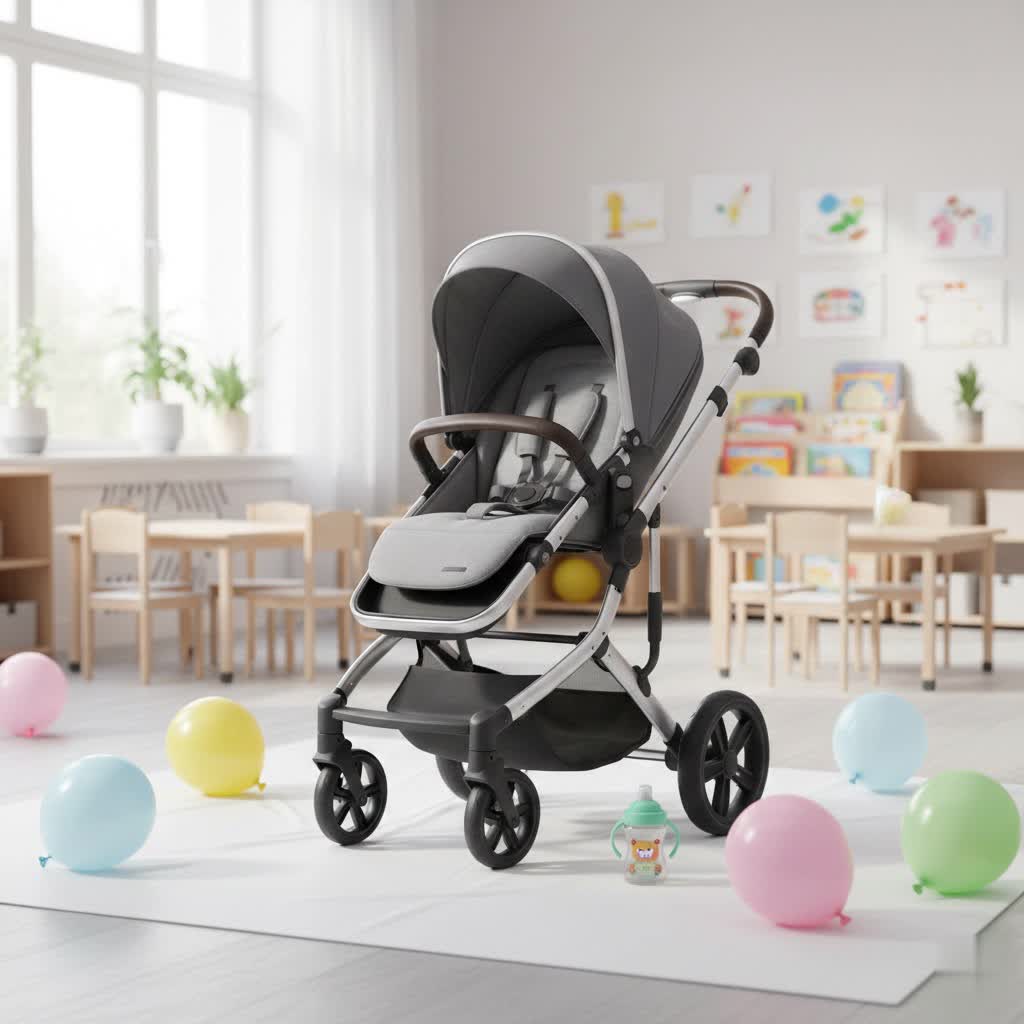
As an Admin with over a decade of experience in the baby stroller market, I’ve witnessed firsthand the incredible evolution of these essential tools for parents. From basic models to sophisticated travel systems, the right lightweight stroller can transform your parenting journey, offering unparalleled freedom and convenience. Selecting the ideal one for your little one means balancing portability with comfort, safety, and durability. Let’s delve into everything you need to know to make an informed decision.
Overview of Lightweight Strollers
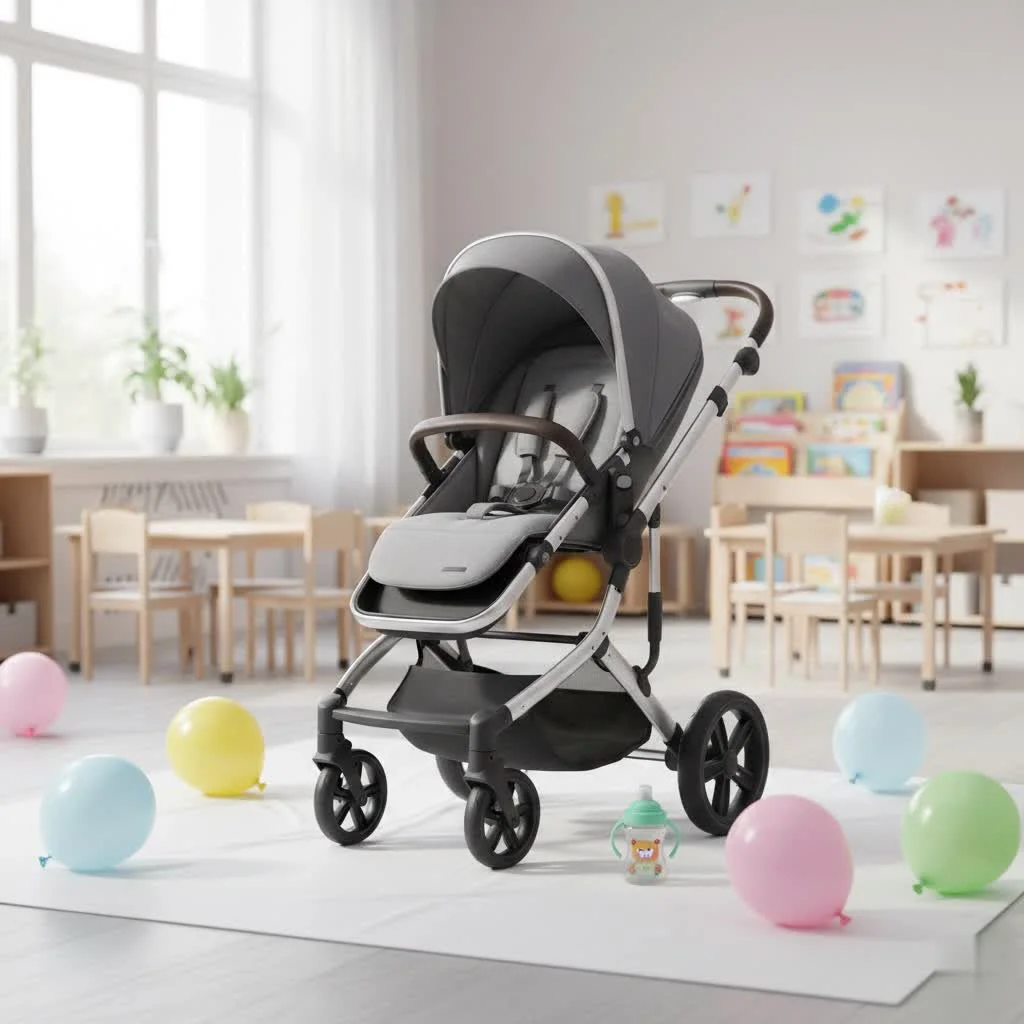
Lightweight strollers are designed with busy parents in mind, offering a convenient alternative to bulkier full-sized models. These strollers typically weigh between 10 to 16 pounds, though some ultra-compact options can be even lighter. Their primary appeal lies in their ease of portability, compact fold, and maneuverability, making them perfect for navigating crowded city streets, public transport, quick errands, or extensive travel. For shop curated baby stroller on this site.
While often grouped with “umbrella strollers” due to their lighter weight, modern lightweight strollers generally offer more advanced features. Umbrella strollers tend to be more basic, with minimal padding and fewer reclining options, suited mainly for short trips. In contrast, dedicated lightweight strollers provide enhanced comfort, better suspension, and more robust construction, bridging the gap between a basic umbrella stroller and a full-featured standard stroller. They are built to simplify daily routines and longer adventures, ensuring both parent and child are comfortable on the go.
Essential Criteria for Selecting a Lightweight Stroller
Choosing a lightweight stroller involves considering several critical factors to ensure it meets your family’s needs and lifestyle.
Safety Features
Safety is paramount when it comes to any baby gear. Always look for strollers that adhere to current safety standards.
- Safety Standards: Ensure the stroller was manufactured recently, ideally within the last few years. It’s always wise to check the Consumer Product Safety Commission (CPSC) for any recalls, especially if considering an older model.
- Harness System: A five-point safety harness is crucial. It secures your child at the shoulders, hips, and between the legs, preventing them from falling out or attempting to stand up. Always use it according to the manufacturer’s instructions.
- Braking System: The stroller should have an easily accessible and reliable brake. Test it to ensure it securely locks the wheels and prevents accidental rolling, especially when parked on inclines or during stops.
- Age and Weight Guidelines: While many lightweight strollers feature lie-flat seats or car seat compatibility for newborns, always verify the manufacturer’s specific age and weight recommendations. Most front-facing reclined strollers are safe for infants around 3 months old, while more upright positions are suitable from 6 months. It’s recommended to avoid letting infants younger than 4 months sleep in a stroller due to suffocation risks.
Comfort Aspects
|
Our Picks for the Best Baby Stroller in 2026
As an Amazon Associate I earn from qualifying purchases.
|
||
| Num | Product | Action |
|---|---|---|
| 1 | 2 in 1 Baby Stroller, Convertible Bassinet Pushchair for Infants and Newborns 0-36 Months |

|
| 2 | Lightweight High-View Baby Stroller, One-Hand Fold & Compact Storage, Convertible Seat, 5-Point Safety Harness, Foldable Infant Stroller, Black |
|
| 3 | Infant Newborn Baby Stroller - 2 in 1 Convertible Stroller with Reversible Seat - Foldable Aluminum Alloy Pram Anti-Shock Toddler Pushchair Strollers for 0-36 Months Babies (Green) |
|
| 4 | 2-in-1 Baby Stroller - Folding Infant Newborn Pram Stroller with Reversible Seat - Toddler Strollers for 0-36 Months Old Babies (Beige) |
|
| 5 | 2-in-1 Baby Stroller - Folding Infant Newborn Pram Stroller with Reversible Seat - Toddler Strollers for 0-36 Months Old Babies (Pink) |
|
| 6 | 2-in-1 Baby Stroller - Folding Infant Newborn Pram Stroller with Reversible Seat - Toddler Strollers for 0-36 Months Old Babies |
|
| 7 | Lightweight High-View Baby Stroller, One-Hand Fold & Compact Storage, Convertible Seat, 5-Point Safety Harness, Foldable Infant Stroller, Grey |
|
| 8 | Compact Fold Lightweight Baby Stroller, Convertible Seat Toddler Stroller,Grey |
|
| 9 | 2-in-1 Baby Stroller - Folding Infant Newborn Pram Stroller with Reversible Seat - Toddler Strollers for 0-36 Months Old Babies (Grey) |
|
| 10 | Baby Stroller, 2 in 1 Newborn Stroller Convertible Bassinet for Infant Toddler Pram with Footmuff (Black) |
|
Even in a lightweight design, your child’s comfort shouldn’t be compromised.
- Fabric and Padding: Look for soft, durable fabrics with adequate padding in the seat and harness straps. Some models even offer breathable mesh panels for ventilation in warmer climates or removable padded inserts for colder weather.
- Recline Options: Multiple recline positions are beneficial, allowing your child to sit upright for exploration or lie back comfortably for naps on the go. Check if the recline mechanism is smooth and easy to adjust, ideally with one hand.
- Adjustable Leg Rest: An adjustable calf support or footrest provides ergonomic comfort for your child’s legs, preventing them from dangling uncomfortably, especially for toddlers.
- Canopy and Sun Protection: A generous, extendable canopy with UPF 50+ sun protection is essential to shield your child from the sun, wind, and light rain. A peekaboo window is a nice addition, allowing you to check on your little one without disturbing them.
Practicality and Convenience
The essence of a lightweight stroller lies in its usability for parents.
- Folding Mechanism: A one-handed, quick-fold mechanism is a game-changer, allowing you to collapse the stroller while holding your baby or other essentials. Many modern lightweight strollers boast incredibly intuitive folding systems.
- Weight and Size: The lighter the stroller, the easier it is to lift, carry, and maneuver. Most fall within the 10-16 pound range, with folded dimensions often compact enough to fit in a car trunk, small hallway, or even an airplane overhead bin. A carry strap is a useful feature for hands-free transport.
- Storage Capacity: While lightweight strollers typically have smaller baskets than full-sized models, adequate storage for a diaper bag, essentials, and perhaps a few small purchases is important. Some innovative designs feature dual baskets or additional pockets. Remember to place heavy items in the under-seat basket to prevent tipping.
- Maneuverability: Look for a stroller that offers a smooth, responsive push, even with one hand. Quality wheels and good suspension (especially front-wheel suspension) will make a significant difference on various terrains, from smooth pavements to slightly uneven paths.
Durability and Quality
A lightweight stroller should withstand the rigors of frequent use and travel.
- Frame Material: Aluminum frames are popular for their strength and lightweight properties.
- Wheel Quality: Smaller wheels are common on lightweight strollers, making them agile for urban environments. However, ensure the wheel material and construction are sturdy enough for your typical use. Some models offer larger wheels or all-wheel suspension for better performance on varied terrains.
- Construction: Look for a well-built stroller with secure joints and quality materials. A transferable warranty can also indicate a manufacturer’s confidence in their product’s longevity.
Comparing Popular Lightweight Stroller Types
While the term “lightweight stroller” is broad, several categories cater to different needs:
- Ultra-Compact Travel Strollers: These are designed specifically for air travel, often meeting cabin baggage dimensions. They typically feature a super-fast, one-handed fold and are incredibly light. Brands like Cybex Libelle and Babyzen YOYO2 excel here.
- Everyday Lightweight Strollers: Offering a balance of features, comfort, and portability, these can serve as a primary stroller for city dwellers or as a convenient secondary stroller. They often include better recline, larger canopies, and more robust wheels than basic umbrella strollers. Examples include the Joolz Aer+ and UPPAbaby Minu V3.
- Budget-Friendly Lightweight Strollers: Options like the Graco Myavo prove that you don’t have to break the bank for a functional and convenient lightweight stroller, though they might have fewer premium features or accessories.
| Feature | Ultra-Compact Travel Stroller | Everyday Lightweight Stroller | Budget-Friendly Lightweight Stroller |
|---|---|---|---|
| Weight | Extremely light (e.g., < 12 lbs) | Light (e.g., 12-16 lbs) | Typically lighter (e.g., < 15 lbs) |
| Folded Size | Very compact, often overhead bin-friendly | Compact, fits car trunks | Compact, but may not be cabin-approved |
| Features | Essential features, travel-focused | Good balance of comfort, storage, recline | Basic features, focused on value |
| Terrain | Best for smooth surfaces, airports | City streets, some light paths | Smooth pavements, limited rough terrain |
| Price | Higher end | Mid to higher range | More affordable |
| Newborn Use | Often requires car seat/bassinet adapter | Many offer lie-flat or adapters | Less likely to be newborn-ready |
Buying Guide: Finding Your Perfect Lightweight Stroller
With so many choices, pinpointing the right lightweight stroller can feel overwhelming. Consider these steps to guide your decision:
Define Your Usage Needs
- Travel Frequency: Do you fly often? An airline-approved, ultra-compact fold (like the Cybex Coya or UPPAbaby Minu V3) with a carry strap will be a lifesaver.
- Daily Environment: Are you navigating bustling city streets and public transport? A highly maneuverable stroller with good suspension (e.g., Joolz Aer+) will be key. If you frequent parks, look for slightly more robust wheels.
- Child’s Age: For newborns, ensure full recline or car seat compatibility. For toddlers, comfort, adjustable leg rests, and a sturdy frame become more important.
- Activities: If you need to carry a lot, prioritize models with generous storage baskets.
Set Your Budget
Lightweight strollers range widely in price. Determine what you’re comfortable spending. More expensive models often offer premium materials, advanced features like superior suspension or magnetic buckles, and longer warranties. However, excellent value options are available that still provide core functionality and convenience.
Where to Purchase
- Online Retailers: Offer a vast selection, competitive pricing, and user reviews. Be sure to check return policies.
- Brick-and-Mortar Stores: Allow you to test the fold, push the stroller, and feel the materials in person. Sales associates can also offer personalized advice.
- Reputable Brands: Always choose known brands that prioritize safety and customer service. Check for warranty information and accessible spare parts.
Top Lightweight Stroller Brands
Many brands have made a name for themselves in the lightweight stroller category by consistently delivering quality, innovation, and reliability:
- UPPAbaby: Known for sleek designs, durability, and smooth rides, with models like the Minu V3 offering excellent travel-friendly features.
- Joolz: Celebrated for sustainable practices and highly maneuverable strollers like the Aer+, which boasts an impressive one-handed fold and longevity.
- Cybex: Offers stylish and innovative designs, with models like the Libelle and Coya being exceptionally compact and favored by frequent flyers.
- Babyzen: The YOYO2 is an iconic compact stroller, lauded for its incredibly small fold and versatility from newborn to toddler.
- Graco: Provides reliable and budget-friendly options, such as the Myavo or Ready2Jet, often praised for their easy fold and value.
- Silver Cross: A long-standing brand that combines classic design with modern functionality, as seen in the compact and easy-to-push Clic 2.
These brands consistently receive high ratings from parents and experts, reflecting their commitment to quality and user experience.
Tips for Using and Maintaining Your Lightweight Stroller
To ensure the longevity of your lightweight stroller and the safety of your child, proper usage and maintenance are key.
- Always Use the Harness: Secure your child with the five-point harness every time you use the stroller, even for short trips. This prevents falls and keeps them safely seated.
- Engage the Brakes: Whenever you stop, especially on an incline or if you step away, always engage the brakes to prevent accidental movement.
- Follow Age and Weight Limits: Adhere strictly to the manufacturer’s age and weight guidelines to ensure the stroller functions safely and optimally.
- Proper Storage: Avoid hanging heavy bags or purses from the handlebars, as this can cause the stroller to tip over. Utilize the under-seat storage basket for all your essentials.
- Regular Cleaning: Wipe down the frame and fabrics regularly with a damp cloth and mild soap. Check the manufacturer’s instructions for specific cleaning guidelines, as some fabrics may be removable and machine washable.
- Wheel Maintenance: Periodically check the wheels for debris and ensure they spin freely. Lubricate moving parts if needed to maintain a smooth ride.
- Storage When Not in Use: Store your folded stroller in a dry, safe place, away from extreme temperatures and direct sunlight, to prevent material degradation.
“A lightweight stroller isn’t just about saving space; it’s about giving parents the freedom to explore the world with their children without feeling weighed down. The right one becomes an extension of your parenting style.” – Admin, reviewbynagar.com
Conclusion
Choosing the right lightweight stroller is a significant decision for any parent. It’s about finding that perfect balance of safety, comfort, convenience, and durability that seamlessly integrates into your family’s lifestyle. By prioritizing features like a secure harness, a comfortable recline, an easy one-handed fold, and reliable maneuverability, you can select a stroller that supports your adventures, big or small. Remember, the best lightweight stroller is the one that best fits your needs, making every outing with your little one a joyful and effortless experience.
What features are most important to you in a lightweight stroller?
Frequently Asked Questions
What is the ideal weight for a lightweight stroller?
Most lightweight strollers suitable for daily use and travel weigh between 10 to 16 pounds. Ultra-compact models can be even lighter, sometimes under 10 pounds, making them exceptionally easy to carry and store for air travel or quick trips.
Can I use a lightweight stroller for a newborn?
While some lightweight strollers feature a full lie-flat recline or are compatible with infant car seats and bassinets, many require babies to have head and neck control, typically around 3 to 6 months of age. Always check the manufacturer’s specific age guidelines and consider additional newborn accessories if needed.
Are lightweight strollers allowed as carry-on luggage on airplanes?
Many ultra-compact lightweight strollers are designed to fit into airplane overhead compartments when folded. However, airline policies vary, so it is crucial to confirm with your specific airline before flying. It’s also a good idea to have a travel bag in case you need to gate-check it.
What’s the difference between a lightweight stroller and an umbrella stroller?
While both are light and compact, lightweight strollers generally offer more advanced features like better padding, multiple recline positions, improved suspension, and larger storage baskets. Umbrella strollers are typically more basic, with minimal features, and are best suited for very short outings or as a secondary, highly minimalist option.
How important is a one-handed fold for a lightweight stroller?
A one-handed fold is highly beneficial for parents, especially when juggling a baby, diaper bag, or other items. It significantly enhances convenience and ease of use, making it quicker and less stressful to collapse and set up the stroller in various situations, from public transport to car trunks.
Get our weekly buyer guide
Practical specs, not advice. Unsubscribe anytime.

I’m so glad I read up on lightweight strollers before buying! We travel a lot and our old one was such a pain to lug around. The compact fold on our new UPPAbaby Minu is a game changer for airport security and fitting into overhead bins. It’s amazing how much easier it makes navigating busy places with a toddler.
We needed a stroller that could handle city sidewalks and occasional park paths without being too bulky. The guide really helped me understand the balance between portability and durability. Our new stroller feels sturdy enough for daily use, and I love how easily it folds up to store in our small apartment. Definitely a good investment for urban living.
As a mom of two under three, I needed something super easy to manage. The emphasis on ease of portability in the article was spot on. I got a travel system that’s surprisingly light, and it’s made running errands and school drop-offs so much less stressful. The quick fold is a lifesaver when I’m juggling both kids.
I was looking for something really light, around the 10-pound mark, but ended up with one that’s closer to 15 pounds. It’s still better than our old full-size, but I wish I’d paid more attention to the exact weight. It’s a bit heavier than I’d hoped for quick trips, though the maneuverability is pretty good.