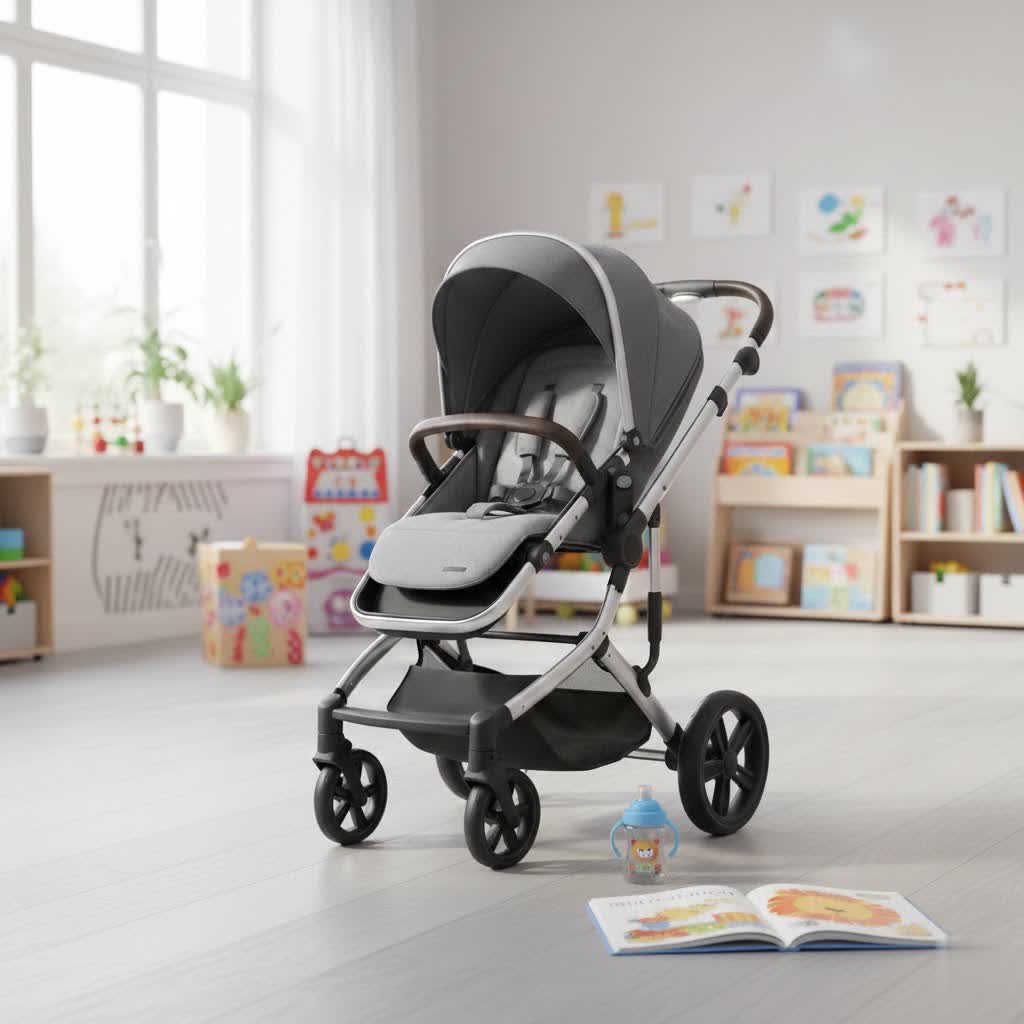
Embarking on adventures with your little one is an enriching experience, but the thought of navigating airports, bustling city streets, or rugged paths with a bulky baby carriage can be daunting. This is where the travel pushchair becomes an indispensable companion, offering a blend of portability, convenience, and comfort designed specifically for families on the go. Choosing the right one can transform your travels from a logistical nightmare into seamless, joyful explorations.
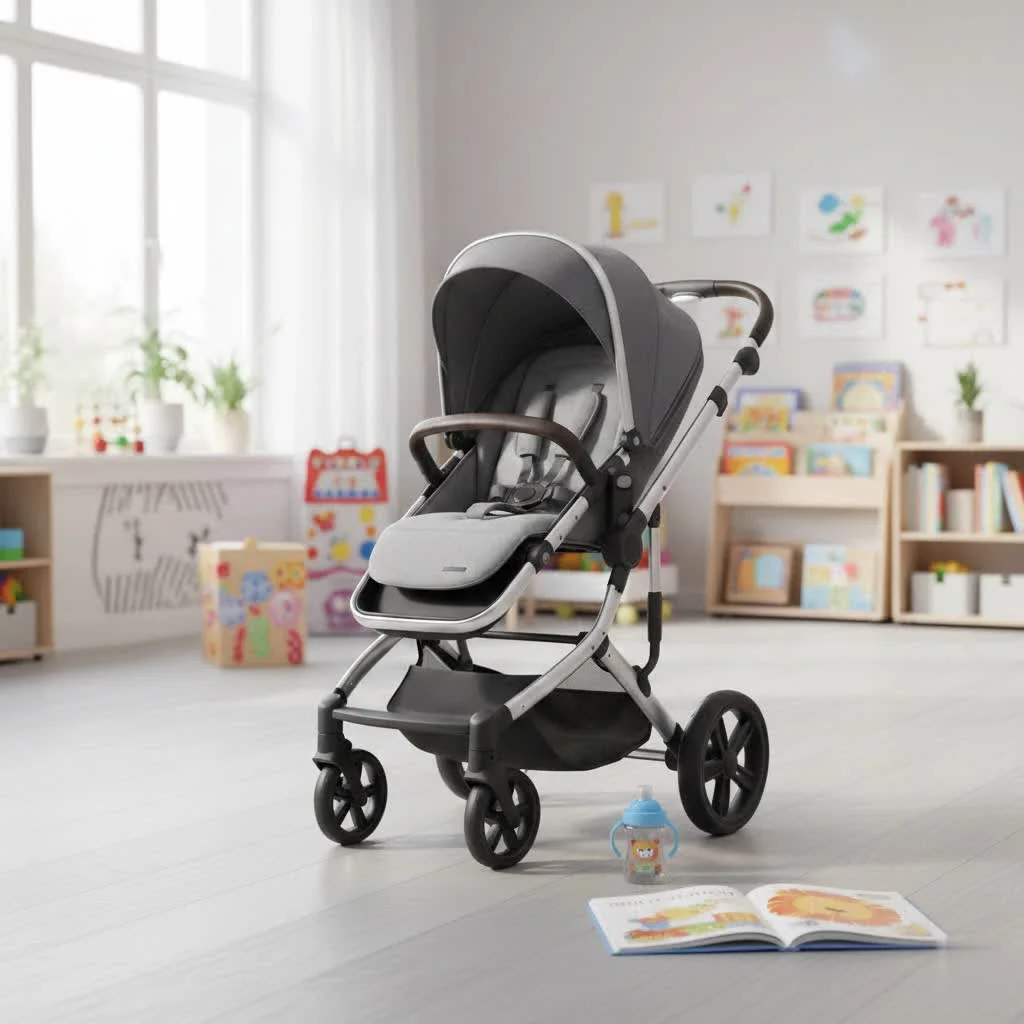
The Essentials of a Travel Pushchair
A travel pushchair, often referred to as a travel stroller or lightweight buggy, is fundamentally designed for ease of movement and compact storage. Unlike standard, full-size strollers that prioritize robust features and long-term durability for everyday use, travel pushchairs excel in being lightweight and highly portable. They are engineered to simplify transitions through various modes of transport and environments.
The market offers several categories, each catering to distinct travel needs:
- Ultra-Compact Pushchairs: These are the smallest and lightest options, often designed to fold down to a size that fits into an airplane’s overhead bin, making them ideal for air travel.
- Car Seat Travel System Combos: Offering seamless transitions from car to stroller, these integrated units are perfect for families who frequently travel by car and plane, although they can sometimes be heavier.
- Everyday-Travel Crossover Pushchairs: These models strike a balance between the features of a full-size stroller and the compactness of a travel-specific one, suitable for both daily errands and vacations.
The hallmark of a good travel pushchair is its ability to be both comfortable for the child and remarkably easy for the parent to use, simplifying any journey.
Crucial Factors When Choosing a Travel Pushchair
Selecting the ideal travel pushchair involves careful consideration of several key attributes that directly impact its functionality and your family’s experience.
Safety First
The paramount concern for any baby gear is safety. A travel pushchair must meet stringent safety standards to ensure your child is secure.
- Safety Standards: Always check that the pushchair complies with relevant safety regulations, such as the Consumer Product Safety Commission (CPSC) standards in the U.S.
- Harness System: A five-point harness is essential, securely strapping your child at the shoulders, hips, and between the legs, preventing them from falling out or attempting to stand.
- Braking System: Ensure the brakes are sturdy, easy to engage and disengage, and reliable, preventing the pushchair from rolling unexpectedly.
- Stability: Given their lightweight nature, travel pushchairs can be more prone to tipping. Look for models with a solid construction and a stable base, especially if you anticipate using it on uneven surfaces or in windy conditions. Always ensure the child’s weight is within the manufacturer’s specified limits.
Comfort for Your Little One
|
Our Picks for the Best Baby Stroller in 2026
As an Amazon Associate I earn from qualifying purchases.
|
||
| Num | Product | Action |
|---|---|---|
| 1 | Compact Fold Lightweight Baby Stroller, Convertible Seat Toddler Stroller,Grey |

|
| 2 | 2-in-1 Baby Stroller - Folding Infant Newborn Pram Stroller with Reversible Seat - Toddler Strollers for 0-36 Months Old Babies (Pink) |
|
| 3 | Lightweight High-View Baby Stroller, One-Hand Fold & Compact Storage, Convertible Seat, 5-Point Safety Harness, Foldable Infant Stroller, Grey |
|
| 4 | 2-in-1 Baby Stroller - Folding Infant Newborn Pram Stroller with Reversible Seat - Toddler Strollers for 0-36 Months Old Babies (Beige) |
|
| 5 | 2-in-1 Baby Stroller - Folding Infant Newborn Pram Stroller with Reversible Seat - Toddler Strollers for 0-36 Months Old Babies |
|
| 6 | Baby Stroller, 2 in 1 Newborn Stroller Convertible Bassinet for Infant Toddler Pram with Footmuff (Black) |
|
| 7 | 2-in-1 Baby Stroller - Folding Infant Newborn Pram Stroller with Reversible Seat - Toddler Strollers for 0-36 Months Old Babies (Grey) |
|
| 8 | Infant Newborn Baby Stroller - 2 in 1 Convertible Stroller with Reversible Seat - Foldable Aluminum Alloy Pram Anti-Shock Toddler Pushchair Strollers for 0-36 Months Babies (Green) |
|
| 9 | 2 in 1 Baby Stroller, Convertible Bassinet Pushchair for Infants and Newborns 0-36 Months |
|
| 10 | Lightweight High-View Baby Stroller, One-Hand Fold & Compact Storage, Convertible Seat, 5-Point Safety Harness, Foldable Infant Stroller, Black |
|
A comfortable child makes for a happier journey. Features that enhance your baby’s comfort are vital for successful travel.
- Padded Seat and Fabrics: Look for plush padding and breathable fabrics to keep your child comfortable, especially during longer outings or in warmer climates. Mesh ventilation panels can be a significant advantage.
- Recline Positions: Multiple recline settings are crucial. A near-flat recline is necessary for newborns and allows older babies and toddlers to nap comfortably on the go. Some models offer full lie-flat capability or integrate a newborn apron.
- Adjustable Leg Rest: An adjustable leg rest supports your child’s legs as they grow, preventing dangling feet and ensuring better posture and comfort.
- Large Sun Canopy: An extendable canopy with UPF 50+ sun protection is essential for shielding your child from the sun’s harmful rays, particularly in sunny destinations.
Unparalleled Convenience and Usability
The primary reason to invest in a travel pushchair is convenience. Its design should simplify your life, not complicate it.
- One-Hand Fold and Compact Size: The ability to fold and unfold the pushchair quickly and with one hand is a game-changer when you’re juggling luggage or a squirming child. A compact fold that is self-standing is a major plus for storage.
- Lightweight Design: Most travel pushchairs weigh between 10 and 20 pounds. The lighter the pushchair, the easier it will be to carry through airports or lift into car trunks. Many seek models under 15 pounds for optimal portability.
- Carry Features: An integrated carry strap, handle, or an included travel bag makes transportation easier when the pushchair is folded. Some advanced models even feature a “suitcase mode,” allowing you to wheel them like luggage.
- Maneuverability: Good wheels and suspension are key for a smooth ride. While small, plastic wheels might suffice for smooth airport floors, larger, more robust wheels with good suspension are preferable for navigating cobblestones, gravel, or uneven sidewalks.
- Storage Options: Adequate storage, such as an accessible under-seat basket for a diaper bag and essentials, and perhaps a small zippered pocket for personal items, is highly beneficial for travel.
- Car Seat Compatibility: If you plan to use your pushchair as part of a travel system, check its compatibility with your infant car seat, either directly or with adapters.
Durability and Longevity
Despite being lightweight, a travel pushchair should be durable enough to withstand the rigors of frequent travel.
- Frame and Wheel Quality: A strong frame, often made from robust aluminum or even carbon fiber in premium models, ensures stability and longevity. The quality of the wheels impacts the smoothness of the ride and overall durability.
- Weight Capacity: Look for a pushchair that can accommodate your child from infancy (if designed for it) through toddlerhood, typically up to 45-60 pounds, extending its useful life as your child grows. Some models even feature adjustable settings like moveable footrests for longer legs.
Comparing Popular Travel Pushchair Models
The market for travel pushchairs is diverse, with several brands offering excellent options tailored to different needs and budgets. Here’s a brief overview of some highly-regarded models and their key characteristics:
| Model | Weight (approx.) | Folded Dimensions (approx.) | Key Pros | Key Cons | Best For |
|---|---|---|---|---|---|
| Joolz Aer+ | 13.2 lbs | 21 x 17.7 x 8.5 inches | Sturdy, smooth, one-hand fold, compact, UPF 50+ canopy, recycled materials | Recline mechanism is a zipper/strap, not lie-flat for newborns out of box | Overall travel & everyday use, comfort, eco-conscious parents |
| Uppababy Minu V3 | 16.7 lbs | 21.5 x 10 x 18 inches | Suitable from birth (near-flat recline), sturdy, large basket, one-hand fold | Heavier/wider than some, may not fit all airplane aisles | Families seeking a robust travel/everyday crossover, suitable from birth |
| Bugaboo Butterfly 2 | 16 lbs | 17.6 x 9.6 x 21.8 inches | Machine-washable seat, easy fold, upright seating for toddlers, robust | Heavier for a travel stroller | Toddler comfort, easy pushing on various terrains, machine washable |
| Silver Cross Jet 5 | 15.9 lbs | 10 x 14.5 x 24.5 inches | Lie-flat for newborns, high weight limit (55 lbs), suitcase mode, rain cover | Can be bumpy on uneven surfaces | Newborns and toddlers, air travel (suitcase mode), flat surfaces |
| Zoe Traveler | 13 lbs | 18.5 x 21.5 x 9.5 inches | High weight limit (60 lbs), intuitive features, great value, large canopy | Not suitable for newborns out of box, no car seat compatibility | Value, older toddlers, diverse terrains, theme parks |
| Cybex Coya | 14.6 lbs | 20.5 x 17.3 x 7.1 inches | Sleek, super easy one-hand fold, airline compatible, near-flat recline, mesh back | Struggles on gravel/stones, best for smooth surfaces | Air travel, city exploration on paved surfaces |
| Doona Infant Car Seat And Stroller | 17.2 lbs | 22.4 x 17.4 x 26 inches | All-in-one car seat & stroller, airplane approved, compact when wheels tucked | No under-seat storage, limited age range (up to 35 lbs/32 inches), heavier | Babies (infant car seat solution), short trips, city travel |
| Nuna TRVL LX | 14.6 lbs | 14.3 x 21 x 27 inches | Nice sized seat & basket, suitable from birth, magnetic buckle, smooth ride | May not fit overhead bin, canopy position when open, no lock when folded | Robust travel option, everyday use, larger child comfort |
| Stokke Yoyo3 | 13.7 lbs | 20.5 x 17.3 x 7.1 inches | Ultra-compact, lightweight, excellent wheels & suspension, customizable | Fold can be complicated, accessories often sold separately, requires assembly | City living, ultimate compactness, carry-on for flights |
Your Buying Guide: Finding the Perfect Travel Pushchair
Navigating the options for a travel pushchair can feel overwhelming. Use this guide to streamline your decision-making process.
Assess Your Travel Style & Needs
Your travel habits and destinations should heavily influence your choice.
- Air Travel: If flying frequently, prioritize models that are ultra-compact and confirmed to fit airline overhead bins (always double-check airline policies as they vary). Features like a one-hand fold and a carry strap are invaluable for navigating busy airports.
- Road Trips: For car travel, while compactness is still beneficial for trunk space, you might have more leeway with slightly larger models that offer bigger storage baskets or more comfort features like snack trays.
- Urban Explorations: Smooth maneuverability, agile wheels, and a narrow frame are key for bustling city streets, public transport, and navigating tight spaces like cafes or shops.
- Outdoor/Off-Road Adventures: If your travels involve uneven paths, gravel, or cobblestones, look for pushchairs with robust wheels, good suspension, and a sturdy build to handle varied terrains without excessive rattling.
- Child’s Age and Size:
- Newborns: Require a pushchair with a full lie-flat recline or compatible car seat adapters to support proper spinal development and breathing.
- Toddlers & Older Children: Look for higher weight limits, ample seat space, and adjustable leg rests to ensure continued comfort as they grow.
Budget Considerations
Travel pushchairs range significantly in price.
- Determine Your Budget: Establish a realistic budget that aligns with your needs and frequency of travel.
- Feature vs. Cost: Cheaper models might lack advanced features or premium materials. Consider if the extra cost for a more durable, comfortable, or convenient model is a worthwhile investment for your family’s travel patterns.
- Hidden Costs: Be aware that some accessories, like rain covers, bumper bars, cup holders, or car seat adapters, are often sold separately, which can increase the overall cost.
Where to Purchase
- Online vs. In-Store: Online retailers offer convenience and often a wider selection and competitive prices, but an in-store visit allows you to physically test the fold, push, and feel of the pushchair.
- Reputable Suppliers: Choose reputable vendors with clear warranty policies and straightforward return processes, especially for online purchases. Verify if the warranty covers international use if you travel abroad frequently.
Expert Tips for Using and Maintaining Your Travel Pushchair
Maximizing the lifespan and safety of your travel pushchair involves mindful usage and consistent care.
- Always Use the Harness: Secure your child with the five-point harness every time they are in the pushchair, even for short distances. This is crucial for preventing accidents.
- Don’t Overload: Avoid hanging heavy bags on the handlebars, as this can make the pushchair unstable and prone to tipping. Utilize the under-seat basket and other designated storage areas instead.
- Check Airline Policies: Before flying, always contact your airline to confirm their specific policies regarding travel pushchairs, including size restrictions for carry-on versus gate-checking. Policies can vary significantly.
- Regular Cleaning: Regularly wipe down the frame and fabrics. Most fabric seats are removable and machine-washable or can be spot-cleaned, ensuring hygiene and prolonging the pushchair’s appearance.
- Wheel Maintenance: Periodically check the wheels for debris and ensure they roll smoothly. Clean any dirt or hair build-up around the axles.
Conclusion
A well-chosen travel pushchair is more than just a piece of baby gear; it’s a passport to hassle-free family adventures. By prioritizing safety, comfort, convenience, and durability, you can find a travel pushchair that seamlessly integrates into your lifestyle, making every journey with your little one enjoyable and stress-free. From ultra-compact options perfect for overhead bins to versatile models that double as everyday strollers, there’s a perfect travel pushchair out there for every family’s unique needs.
What exciting family adventure will your new travel pushchair take you on first?
Frequently Asked Questions
What is the ideal weight for a travel pushchair?
The ideal weight for a travel pushchair is typically under 15 pounds (approx. 6.8 kg) to ensure it’s easy to lift, carry, and maneuver through airports, public transport, and tight spaces. Many popular models aim for this lightweight standard.
Can all travel pushchairs fit in an airplane’s overhead bin?
No, not all travel pushchairs are designed to fit in an airplane’s overhead bin. While many are advertised as “cabin-friendly,” it’s crucial to check the specific folded dimensions against your airline’s carry-on luggage size restrictions, as these can vary.
What’s the main difference between a regular stroller and a travel pushchair?
The main difference lies in their design priorities: regular strollers emphasize robust features, comfort, and ample storage for daily use, often being heavier and bulkier. Travel pushchairs prioritize lightweight design, compactness, and easy folding for portability during trips.
Are travel pushchairs suitable for newborns?
Some travel pushchairs are suitable for newborns, provided they offer a full lie-flat recline or can accommodate an infant car seat with adapters. However, many models are designed for babies aged 6 months and older who have developed sufficient head and neck control.
How long can a child use a travel pushchair?
Most travel pushchairs are designed to accommodate children up to 45-60 pounds (approx. 20-27 kg) or around 4-5 years old. Children may use them longer during travel than at home due to increased walking and potential fatigue on vacation.
Get our weekly buyer guide
Practical specs, not advice. Unsubscribe anytime.
